Understanding Containerized Water Treatment Systems
Containerized water treatment systems have revolutionized the way we approach water purification for various applications. These modular solutions can be customized to meet specific requirements for municipal, industrial, and remote scenarios, ensuring that safe, potable water is produced, regardless of the quality of the incoming source. With their inherent flexibility, these systems are designed for easy relocation and reuse, making them ideal for dynamic situations that require quick adaptation to changing needs. According to many industry experts, investing in a water treatment systems manufacturer like QILEE can streamline processes and improve water quality consistency.
What Are Containerized Water Treatment Systems?
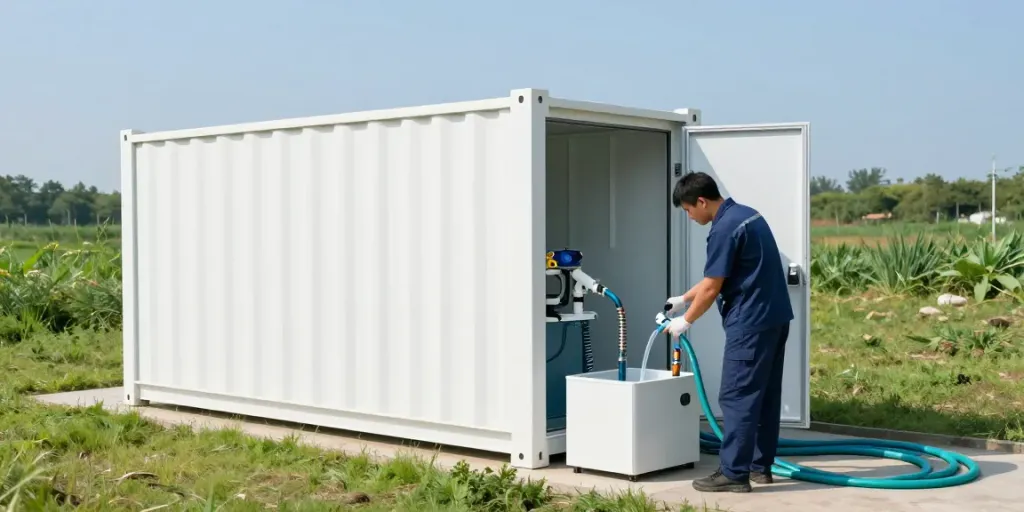
Containerized water treatment systems consist of prefabricated modules that encompass all the essential components of a traditional water treatment plant. These can include processes such as coagulation, flocculation, sedimentation, filtration, disinfection, and chemical dosing. One of the key features of containerized systems is their ability to operate efficiently in different environments, from urban settings to remote areas. They are engineered for swift deployment and can be operational within days, saving valuable time compared to traditional construction methods.
Benefits of Modular Water Treatment Solutions
The modular nature of containerized water treatment systems offers numerous advantages. Firstly, they are designed for rapid deployment; many systems can be installed within three to seven days, significantly shortening the overall construction cycle. This is in stark contrast to traditional systems, which can take several months to build and deploy. Furthermore, their compact design requires less space—typically only needing flat ground for placement, and saving up to 50% of the floor space compared to conventional systems.
Key Technologies in Water Treatment Systems
Emerging technologies play a crucial role in enhancing the efficacy of water treatment systems. For instance, the integration of advanced reverse osmosis (RO) and RO-EDI (electrodeionization) technologies provides high-purity water suitable for demanding applications such as pharmaceuticals and manufacturing. Moreover, intelligent control systems enable real-time monitoring and adjustment of the treatment processes, enhancing overall performance and ensuring regulatory compliance.
Comparing Traditional vs. Containerized Water Treatment
When evaluating water treatment systems, it is essential to conduct a thorough comparison between traditional and containerized solutions to understand their unique advantages and limitations. This analysis will help stakeholders make informed decisions when selecting a system that aligns with their operational requirements.
Deployment Times: A Comparative Analysis
One of the most significant differences between traditional and containerized water treatment systems is the time required for deployment. Traditional systems often involve extensive civil engineering, which can take anywhere from three to six months to complete. In contrast, containerized systems can be fully operational in as little as three to seven days, a remarkable efficiency that greatly benefits emergency response situations and rapidly changing environments.
Space and Resource Efficiency of Containerized Systems
Containerized water treatment solutions also excel in terms of space efficiency. The prefabricated nature of these systems allows them to occupy only a fraction of the land area required by traditional treatment plants. This efficiency not only reduces initial construction costs but also minimizes site preparation challenges and ongoing maintenance requirements. Furthermore, they often feature designs that facilitate the integration of reclaimed water reuse modules, promoting sustainable practices.
Cost Implications of Different Water Treatment Methods
Cost is always a critical factor in the selection of a water treatment method. Traditional systems typically incur higher expenses, both in terms of initial capital outlays and ongoing operational costs, due to their complexity and the need for extensive site preparation. Alternatively, containerized systems, with their reduced deployment times and space requirements, tend to offer lower overall costs while maintaining high-quality output. This cost-effectiveness can be particularly valuable for municipalities and industries facing budget constraints.
Optimizing Performance with Advanced Technologies
To remain competitive and efficient, water treatment systems must continuously adapt to advancements in technology. This section explores how companies can enhance their operational performance through innovation and smart system integration.
Integrating Intelligent Control Systems
The integration of intelligent control systems is a game changer for water treatment solutions. These systems enable automated monitoring and control of various processes, allowing for real-time adjustments based on changing water quality conditions. This capability not only improves treatment efficiency but also ensures compliance with water safety standards.
Real-time Monitoring and Remote Operation
With the rise of the Internet of Things (IoT), real-time monitoring of water quality parameters has become increasingly accessible. Containerized systems equipped with sensors and connectivity options can relay data to operators and allow for remote operation. This feature not only enhances responsiveness but also reduces the need for on-site personnel, resulting in cost savings and improved safety.
Future-Proofing Water Treatment Systems
As water quality regulations become stricter and the demand for sustainable practices grows, future-proofing water treatment systems is crucial. This can be achieved through the adoption of modular designs that allow for easy upgrades and the incorporation of sustainable technologies such as energy-efficient pumps and renewable energy sources.
Applications of Containerized Water Treatment Systems
The versatility of containerized water treatment systems makes them suitable for a wide array of applications. Whether addressing municipal water supply, industrial needs, or emergency situations, these systems provide effective solutions tailored to specific requirements.
Municipal Water Treatment Solutions
Municipalities are increasingly turning to containerized systems to ensure a reliable supply of safe drinking water. These systems can be rapidly deployed in response to water quality emergencies or natural disasters, ensuring communities have immediate access to clean water. Moreover, their modular nature allows for scalability as population demands change.
Industrial Applications for Purified Water
Industries requiring high-purity water, such as pharmaceuticals and electronics manufacturing, benefit significantly from containerized systems. These facilities often face stringent regulations regarding water quality, and containerized solutions are engineered to meet these demands while offering flexibility in operations.
Solutions for Remote and Disaster-Affected Areas
In remote regions or areas affected by disasters where traditional infrastructure is damaged or non-existent, containerized water treatment systems can be crucial. They provide a rapid and effective means of restoring water supplies, with the ability to treat various water sources, ensuring communities have access to safe drinking water in challenging environments.
Future Trends in Water Treatment for 2026
As the global landscape regarding water treatment continues to evolve, it is vital for stakeholders to stay informed about upcoming trends and best practices. Understanding these trends can guide investments and innovations in water treatment technologies.
Predictions for Technological Advancements
Looking ahead, we can expect significant advancements in water treatment technologies. Innovations such as advanced filtration methods, enhanced bioremediation processes, and automation driven by artificial intelligence will likely transform the industry. These developments will lead to improved efficiency, reliability, and cost-effectiveness in water treatment operations.
Emerging Best Practices and Sustainability Efforts
Sustainability will remain a core focus in water treatment, with organizations seeking to reduce their environmental impact. Emerging best practices include the implementation of circular economy principles, water reuse strategies, and energy-efficient operations. These efforts will not only benefit the environment but also contribute positively to a company’s bottom line.
How to Choose the Right Water Treatment Systems Manufacturer
Choosing the right water treatment systems manufacturer is essential for ensuring the success of your project. Factors to consider include the manufacturer's reputation, the quality of their technology, after-sales support, and their ability to provide customized solutions. Engaging with industry leaders and reviewing case studies can provide insights into which manufacturers are best suited to meet your specific needs.