
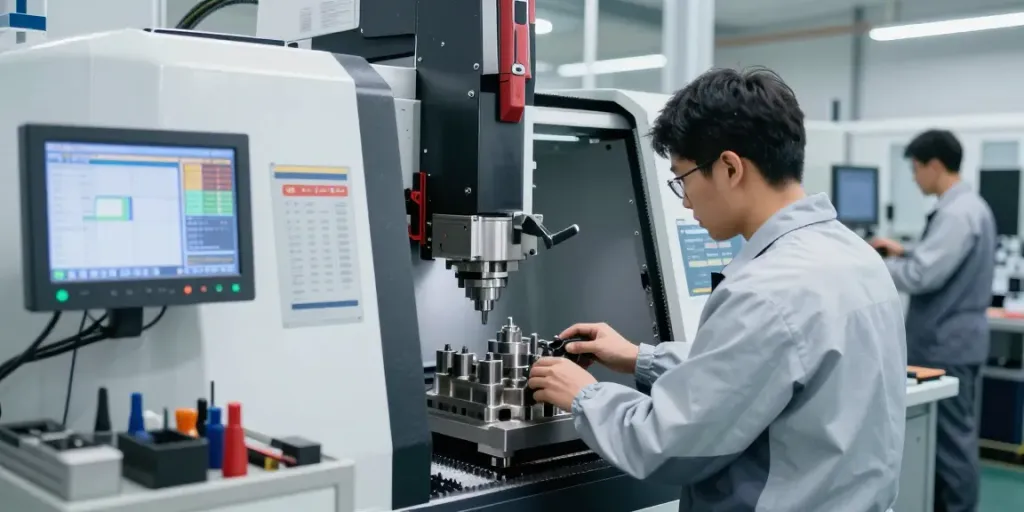
Understanding CNC Machining Parts
CNC machining parts are essential components in various manufacturing processes, utilizing computer numerically controlled machines to create precise and complex shapes from different materials. These parts are integral in industries such as automotive, aerospace, medical, and electronics. With the rapid advancement in technology and manufacturing techniques, the demand for high-quality CNC machining services has only increased. At Honscn, we focus on providing cnc machining parts since 2003, ensuring that our clients receive only the best in precision engineering.
What are CNC Machining Parts?
CNC machining parts are custom-created components made from a variety of materials including metals, plastics, and composites using CNC machines. These machines operate based on pre-programmed sequences, which allow them to perform various manufacturing processes such as milling, turning, drilling, and more. The key feature of CNC machining is its ability to produce parts with a high degree of accuracy and repeatability.
Key Benefits of CNC Machining for Industries
- Precision: CNC machining offers unparalleled accuracy, ensuring that parts are produced to exact specifications and tolerances.
- Efficiency: Automated processes reduce lead times and increase production speed, enabling manufacturers to meet tight deadlines.
- Versatility: CNC machines can work with various materials and produce parts for a wide range of applications, making them suitable for different industries.
- Cost-Effectiveness: While initial setup costs may be higher, CNC machining reduces waste and minimizes manual labor, leading to lower overall production costs.
Common Applications of CNC Machining Parts
CNC machining is used in a myriad of applications, some of which include:
- Automotive parts such as engine blocks, transmission cases, and brackets.
- Aerospace components including structural parts, brackets, and housings.
- Medical devices such as surgical instruments and prosthetic components.
- Electronic enclosures and connector housings, which require precise dimensions for functionality.
Choosing the Right CNC Machining Supplier
Selecting the right supplier for CNC machining is crucial for ensuring product quality and reliability. Factors to consider include their industry experience, technology capabilities, and customer service.
Factors to Consider When Selecting a Supplier
- Expertise: Look for suppliers with a proven track record in your industry. Experience in specific sectors often means they understand the unique challenges and requirements.
- Technology: Evaluate the machinery and software capabilities. Advanced technology tends to yield better precision and efficiency.
- Customer Feedback: Reviews and testimonials give insight into a supplier's reliability, communication, and overall service quality.
Quality Assurance and Certifications
Quality assurance is critical in CNC machining. Ensure your supplier is certified in quality management systems such as ISO 9001, which indicates adherence to high manufacturing standards. A robust quality control process includes regular inspections and testing to ensure that all parts meet the specified tolerances and standards.
Evaluating Supplier Capabilities and Technologies
When assessing a potential CNC machining supplier, consider their capabilities regarding different materials, the range of machining operations they can perform, and their flexibility in production volume. Suppliers with modern CNC machines can handle complex designs and higher volumes, offering greater versatility and adaptability.
Precision and Quality in CNC Machining
In CNC machining, precision and quality are not just goals; they are essential to the integrity of the entire manufacturing process. High-quality parts lead to better performance and reliability in finished products.
Importance of High Quality CNC Machining Parts
High-quality CNC machining parts are critical for ensuring the functionality and safety of the applications they are used in. Small deviations in dimensions can lead to assembly issues or product failures, emphasizing the need for precision.
Techniques for Ensuring Precision in Production
- Regular Calibration: Ensure that CNC machines are regularly calibrated to maintain accuracy.
- Advanced Software: Utilize CAD/CAM software to design and simulate machining processes before actual production.
- Experienced Operators: Skilled machinists play a key role in ensuring machines are operated correctly and efficiently.
Quality Control Measures in CNC Machining
Quality control in CNC machining involves systematic inspections and testing throughout the production process. Tools such as Coordinate Measuring Machines (CMM) and various gauges are employed to ensure that machined parts meet the desired specifications. Additionally, implementing a robust traceability system can help track and rectify any issues that arise during production.
Cost Considerations in CNC Machining Services
Understanding the cost structure of CNC machining services is vital for manufacturers. Several factors contribute to the overall cost, and strategic planning can help in managing expenses effectively.
Understanding Pricing Models for CNC Machining Parts
Pricing for CNC machining parts can vary widely based on factors like material selection, complexity of the design, and production volume. Generally, costs are calculated based on:
- Setup time and labor
- Material costs
- Machining time
- Finishing processes
Cost-Saving Strategies for Manufacturers
Manufacturers can adopt the following strategies to reduce costs:
- Streamline designs to minimize machining time.
- Choose cost-effective materials without compromising quality.
- Consolidate orders to take advantage of bulk pricing.
Balancing Quality and Cost in Machining
While it’s tempting to opt for the lowest-cost manufacturing option, compromising on quality can lead to greater expenses in the long run. Striking a balance between quality and cost is essential. Investing in high-quality CNC machining services can lead to better product reliability and reduced waste.
Future Trends in CNC Machining Parts for 2026
The CNC machining industry is evolving rapidly due to technological advancements and changing market demands. Keeping abreast of these trends can help manufacturers stay competitive.
Emerging Technologies in CNC Machining
Technologies such as artificial intelligence and machine learning are beginning to play a role in CNC machining, allowing for predictive maintenance and improved process workflows. Additionally, advancements in additive manufacturing techniques are enabling the creation of more intricate designs that were not previously possible.
Sustainability and Eco-Friendly Practices
As industries focus more on sustainability, CNC machining is not left behind. Manufacturers are increasingly looking for eco-friendly materials and processes to reduce their environmental footprint. This includes recycling scrap material and utilizing energy-efficient machines.
What to Expect in the CNC Machining Industry
Looking ahead to 2026, we can expect to see a greater emphasis on customization, rapid prototyping, and integration of advanced technologies in CNC machining processes. The demand for high-quality, precision components will continue to rise, reinforcing the importance of reliable CNC machining suppliers like Honscn.