Understanding QOVES and Its Alternatives
In the rapidly evolving world of beauty and aesthetics, QOVES has gained recognition for its unique approach to facial analysis. However, as consumers continue to seek personalized solutions for aesthetic improvement, the demand for alternatives to QOVES is on the rise. When exploring options, Alternatives to QOVES can provide comprehensive insights into the best available services that cater to individual needs. This article delves into an overview of QOVES, highlighting its key features, limitations, and presenting five notable alternatives that can meet diverse preferences.
What is QOVES?
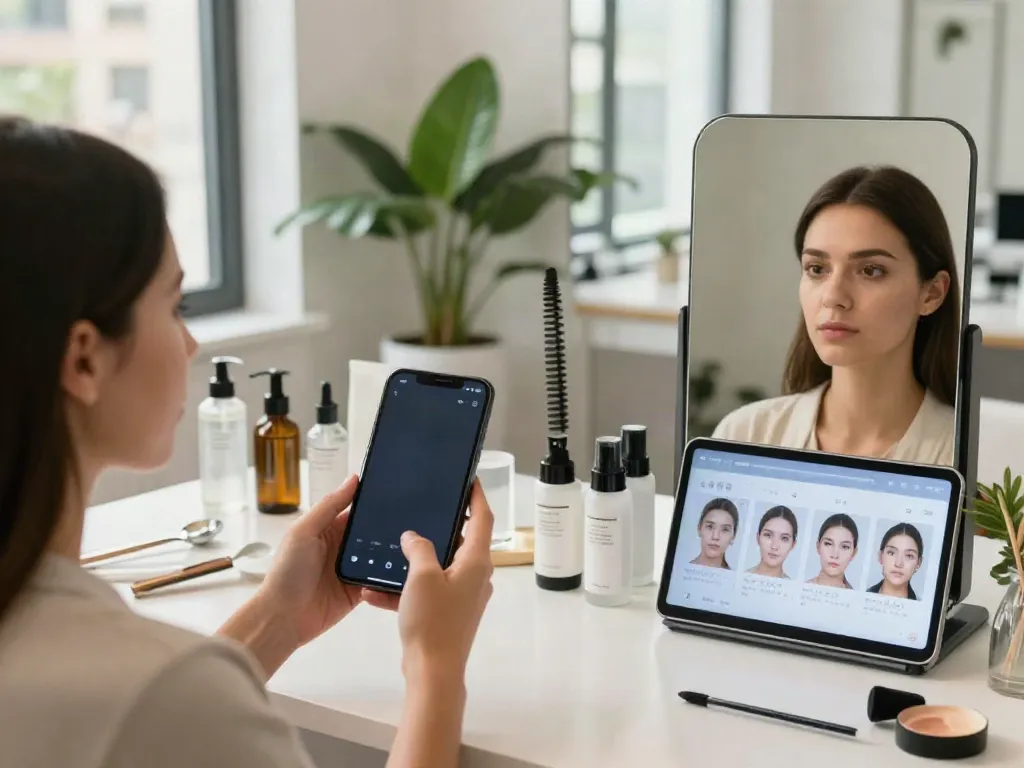
QOVES stands out as a subscription-based facial analysis service that leverages artificial intelligence to assess individual facial features and provide personalized aesthetic protocols. The platform aims to enhance users' appearance by suggesting tailored cosmetic and skincare recommendations based on deep learning algorithms and model comparisons. The membership provides users with a unique overview of their facial aesthetics, enabling them to make informed decisions regarding their skincare or cosmetic procedures.
Key Features of QOVES
- Personalized Reporting: Each member receives a detailed report that outlines their facial features and provides improvement suggestions.
- Visual Protocols: QOVES includes visual simulations to illustrate potential outcomes of suggested enhancements.
- Expert Review: The analysis is reviewed by a team of trained professionals to ensure the accuracy of recommendations.
- Membership Benefits: For $150 per year, users gain access to their protocols and visuals, typically delivered within 28 days.
Limitations of QOVES
Despite its innovative approach, QOVES faces criticism on several fronts. The annual membership fee may be a barrier for some users, especially when compared to cheaper alternatives. Additionally, while the analysis is comprehensive, some users seek immediate feedback rather than a delayed report. The reliance on AI, while beneficial, also raises questions about the limitations of automated evaluations versus human expertise.
Five Services to Consider Instead of QOVES
ClinicEvo: Comprehensive Facial Analysis
ClinicEvo offers a monthly membership priced at $12, making it an affordable option for those looking for in-depth analysis. Every report is meticulously reviewed by trained aesthetics specialists, ensuring a personalized EvoPlan™ based on the user's unique features and goals. Unlike QOVES, ClinicEvo promises a turnaround time of just five business days for report delivery.
Umax: Instant Feedback and Suggestions
Umax is designed for users who prefer immediate insights. This app rates selfies using artificial intelligence and provides a numerical score along with improvement suggestions for grooming, skincare, and hairstyle options. Umax stands out for its simplicity and instant gratification, catering to a younger audience that values quick results.
LooksMax AI: Ratings with Personalization
LooksMax AI offers users an AI-generated attractiveness rating based on facial feature analysis. It quickly assesses various characteristics, providing users with a score that highlights areas for improvement. This service is ideal for those who desire a broad overview without the extensive details provided by services like QOVES or ClinicEvo.
PrettyScale: Free Beauty Score
PrettyScale is an entirely free platform that offers an automated beauty score derived from facial symmetry and proportions. While its simplicity is appealing, it lacks the depth of personalized recommendations found in paid services. PrettyScale is an excellent option for users on a budget seeking a quick assessment without financial commitment.
FaceRate.ai: Symmetry Evaluation
FaceRate.ai scores users based on golden ratio principles and facial symmetry evaluation. Although it’s another free service, it does not provide tailored improvement plans, instead offering a straightforward numerical score. This service suits those who prefer a no-frills approach to their aesthetic evaluations.
Comparison of Pricing and Services
Cost Breakdown of Each Alternative
Understanding the cost structure of various services is crucial in choosing the right option. Here’s a simplified comparison:
- QOVES: $150 per year
- ClinicEvo: $12 per month (approximately $144 per year)
- Umax: $3.99 per week (over $207 per year if maintained)
- LooksMax AI: Pricing varies based on features, usually categorized as free or nominal charges
- PrettyScale: Free
- FaceRate.ai: Free trial available
Human Review vs Automated Scores
A significant distinction among these services lies in the human review component. QOVES and ClinicEvo utilize trained specialists to assess results, adding a layer of expertise and personalization to the analysis. In contrast, Umax, LooksMax AI, PrettyScale, and FaceRate.ai primarily depend on automated algorithms, leading to discrepancies between user expectations and output accuracy.
The Value of Ongoing Tracking
Another aspect to consider is whether the service offers ongoing tracking after the initial report. ClinicEvo and QOVES provide continuous support and updates, emphasizing the importance of tracking progress over time. In contrast, the instant score apps typically only provide a singular snapshot of a user’s facial analysis, which may not cater to long-term aesthetic goals.
Four Key Questions to Evaluate Any Provider
Is a Trained Specialist Involved?
Understanding whether a trained professional is involved in the analysis process is crucial for accuracy and personalized feedback. Services like ClinicEvo and QOVES emphasize human expertise, setting them apart from automated scoring apps.
What Does the Annual Cost Look Like?
Evaluating the annual costs against the services provided is key to determining value. While some options advertise low monthly fees, when assessed over a full year, they may not be cost-effective compared to services offering more comprehensive analysis with expert review.
Do They Offer Just Scores or Comprehensive Plans?
When considering an aesthetic analysis service, it's vital to know whether the output is merely a score or includes actionable insights and plans. Comprehensive plans from services like ClinicEvo may provide users with a pathway for improvements rather than just a numerical rating.
Future Trends in Facial Analysis Services
Emerging Technologies in Aesthetic Apps
As technology progresses, we can expect to see more advancement in facial analysis services, with AI and machine learning playing pivotal roles. Future applications may incorporate augmented reality for real-time assessments and feedback on users' appearances.
User Personalization and AI Advancements
The future also points toward enhanced personalization. With better data collection tools and user feedback mechanisms, services may offer even more tailored experiences that take into account individual preferences and behavioral patterns.
The Growing Importance of Data Privacy
In an age where data privacy concerns are paramount, facial analysis services will need to prioritize user data protection. Transparency in how data is collected, used, and stored will be crucial for user trust and retention as these technologies evolve.
Frequently Asked Questions
Is there a free version of QOVES?
Currently, QOVES does not offer a free version, although you can explore alternatives like PrettyScale and FaceRate.ai that provide free assessments.
What are the most accurate face analysis apps?
While accuracy can vary, services that incorporate human expertise, such as ClinicEvo and QOVES, might provide more reliable evaluations compared to purely automated options.
How much does a QOVES analysis cost?
A QOVES analysis costs $150 per year for membership, which includes a detailed report and personalized recommendations.
What features differentiate these alternatives?
Alternatives differ in key features such as the involvement of trained specialists, the complexity of reports provided, pricing models, and ongoing support.
Are these alternatives safe and reliable?
Most reputable services have established protocols and professionals behind their analyses, ensuring user safety and reliability in recommendations, though it's always advisable to consult licensed professionals for medical advice.