Understanding the Essence of Home Design
Creating a home that resonates with comfort, style, and functionality is no small feat. The art of home design is not solely about aesthetics; it intertwines with the emotions and personalities of those who inhabit the space. A well-designed home should feel inviting and reflect the owner's tastes while also catering to the practical needs of everyday living. When exploring options, Home The Spruce provides comprehensive insights on how to achieve this balance.
What Makes a Home Truly Inviting?
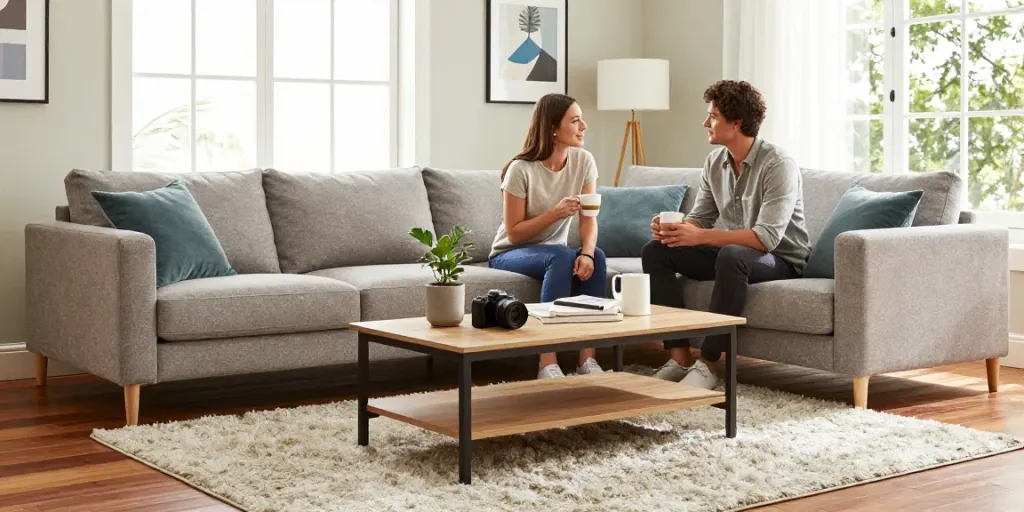
Warmth and character make a home inviting. This can be achieved by using color schemes that evoke comfort, selecting furniture that encourages relaxation, and incorporating personal touches that tell your story. The interplay of natural light and thoughtful decor also plays a crucial role in making a space feel welcoming. Consider adding layered lighting options, such as floor lamps, table lamps, and overhead fixtures, which can enhance the mood and functionality of each room.
Key Elements of Style and Comfort
The key elements of style and comfort include the choice of materials, colors, and textures. Soft furnishings like throws and cushions add layers of comfort, while complementary color palettes can create a harmonious look. Style is also a reflection of your personality; whether you favor modern minimalism or a more eclectic arrangement, it's essential to select pieces that resonate with you and fit cohesively within the layout of your home.
How to Reflect Your Personality Through Decor
Home decor is a canvas where you can express your individuality. Personal items, such as photographs, art pieces, or travel souvenirs, can create a unique narrative throughout your space. Additionally, selecting a color palette that speaks to you can set the tone for your home. Don’t shy away from using bold hues or patterns that resonate with your style; they can serve as signature elements in your decor.
Common Pitfalls in Home Decoration
Many homeowners fall prey to common pitfalls when decorating their homes. Understanding these missteps can help you avoid costly mistakes and ensure that your living space not only looks good but feels good, too.
Choosing the Wrong Furniture for Your Space
One of the most critical mistakes is selecting furniture that does not fit the size and scale of your space. Oversized furniture can overwhelm a small room, while tiny pieces can make a large area feel empty. It’s essential to measure your space carefully and consider how each item will work with your existing decor.
Neglecting Functionality in Design
Another common error is prioritizing style over functionality. A beautiful space must also be practical and cater to your lifestyle needs. Ensure that the layout allows for easy movement, and choose furniture that not only looks good but also serves a purpose. Multi-functional pieces, like ottomans that double as storage or extendable dining tables, can greatly enhance utility.
Ignoring the Importance of Lighting
Lighting plays a pivotal role in home design. Poorly lit areas can detract from the beauty of your decor and make spaces feel cramped. Incorporate a mix of ambient, task, and accent lighting to create a layered effect that enhances your home's architecture and decor. Additionally, don't forget to take advantage of natural light with strategic mirror placement and window treatments that allow brightness to flow through.
Best Practices for Stylish Interior Design
To ensure your home is both stylish and functional, consider implementing these best practices in your interior design approach.
Maximizing Space with Intelligent Furniture Choices
Using furniture that complements your layout can significantly affect how spacious your home feels. Modular furniture, for example, allows for flexibility and adaptability in tight spaces. Consider pieces that can be easily rearranged or expanded as your needs change.
Incorporating Personal Touches in Decor
Adding personal touches can make your home truly feel like yours. This might include artwork from local artists, family heirlooms, or DIY projects that showcase your creativity. These elements not only personalize your space but also create a connection to your life experiences.
Balancing Aesthetics with Practicality
While aesthetics are essential, they should not come at the expense of practicality. Aim for a balance where beauty meets purpose. For instance, choose luxurious materials that are also durable enough to withstand everyday use, such as treated fabrics or finishes that are easy to clean and maintain.
Transforming Your Home on a Budget
Renovating and decorating doesn't have to break the bank. There are numerous ways to enhance your home’s appeal without overspending.
Smart Renovations That Enhance Value
Focusing on strategic renovations can add significant value to your home. For example, investing in a modern kitchen upgrade or energy-efficient windows can pay off in the long run. These improvements can not only elevate your living experience but also increase your home's market value.
Affordable Decor Ideas That Look Luxurious
You don't need to spend a fortune to achieve a high-end look. Thrift stores, online marketplaces, and local sales can yield stunning finds that elevate your decor. Look for vintage pieces that can be restored or repurposed, and don’t hesitate to DIY where possible.
DIY Projects for a Personal Touch
Affordable DIY projects can give your home a unique flair. Whether it’s creating your own art, refurbishing furniture, or building shelves, these projects allow for personalization and can be done on a budget. They also offer an excellent opportunity to bond with family or friends while crafting your dream space.
Future Trends in Home Decoration for 2026
As we move towards 2026, several trends are poised to shape the future of home decoration. Being aware of these trends can help you stay ahead of the design curve.
Embracing Sustainability in Home Design
Sustainable design is not just a trend; it’s becoming a necessity. Incorporating eco-friendly materials, energy-efficient appliances, and sustainable practices in your home not only benefits the environment but also enhances your living space's overall appeal. Consider using reclaimed wood, organic fabrics, and non-toxic finishes.
Incorporating Smart Home Technology
Smart home technology is revolutionizing how we interact with our living spaces. From smart thermostats to automated lighting systems, these innovations not only enhance comfort and convenience but can also lead to energy savings. Integrating smart technology into your design can make your home more functional while modernizing its appeal.
Predicted Color Trends for 2026
Color trends for 2026 will likely revolve around natural tones and calming hues. Earthy shades, such as terracotta, muted greens, and soft blues, are expected to take center stage, promoting tranquility and comfort. These colors can create an inviting ambiance and provide a stable backdrop for your decor choices.
What is the best way to choose a sofa table?
When selecting a sofa table, consider the scale of your space. It should complement the height and style of your sofa while providing adequate functionality, whether for display or storage. Balance aesthetics with practicality by choosing a design that fits your personal taste and the overall vibe of your living area.
How can I make my home look luxurious on a budget?
To achieve a luxurious look without overspending, focus on high-impact elements such as lighting, textures, and statement pieces. Invest in a few key decor items—like elegant curtains or a plush area rug—to elevate the overall feel of your space while keeping costs in check.
What are the essential elements of cozy home decor?
Cozy home decor is all about warmth and comfort. Incorporate soft textiles, layered lighting, and personal elements. Warm colors and textures can make a space inviting, while elements like scented candles or plush throws can enhance the feeling of comfort.
How does lighting affect home design?
Lighting is a crucial element in home design, influencing not only the appearance but also the mood of a space. Proper lighting enhances architectural features, highlights decor, and creates ambiance. Attention to natural light sources can also dramatically improve how spacious and inviting a home feels.
What are the most important trends in home design for 2026?
The trends for 2026 will emphasize sustainability, the incorporation of smart technology, and a return to natural materials and colors. These elements will shape how homes are designed to be comfortable, functional, and environmentally conscious.