Introduction to the Manaslu Trek
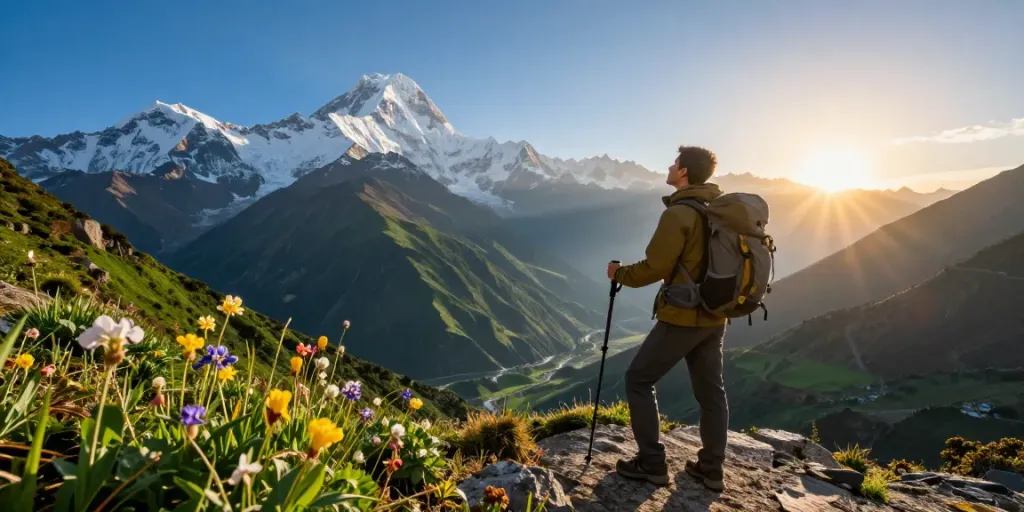
The Manaslu Trek, one of the most captivating trekking routes in Nepal, offers an exhilarating journey that combines breathtaking mountain vistas, rich cultural experiences, and the serenity of the Himalayas. Located in the Gorkha region, this trek circles the majestic Manaslu Peak, the eighth-highest mountain in the world, and is perfect for adventurers seeking a less commercialized experience compared to more popular routes like the Annapurna Circuit. As you venture through remote villages, lush forests, and rugged terrains, the warmth of the local communities, influenced by Tibetan culture, ensures that every step of your trek is filled with unique encounters and cherished memories. To plan your journey effectively and discover what makes this trek special, you might want to explore the comprehensive resources available at Manaslu Trek.
What is the Manaslu Trek?
The Manaslu Trek is a remarkable 15-day adventure that takes trekkers around the colossal Mount Manaslu, standing tall at 8,163 meters (26,781 feet). This circuit encompasses a trek of approximately 177 kilometers (110 miles), providing an extensive exploration of the region's enchanting landscapes, ranging from lush rice terraces and tranquil rivers to alpine meadows and glaciated peaks. Trekking at such altitudes presents challenges of its own, including changes in climate and terrain, yet the rewards of stunning views and cultural interactions make the trek worthwhile.
Historical Significance and Cultural Insights
The journey around Manaslu is steeped in history and cultural richness that dates back centuries. The region was once a vital trading route between Nepal and Tibet, and many of the local villages reflect this heritage through their architecture and customs. The trek not only offers an opportunity to witness the natural beauty of the Himalayas but also invites trekkers to engage with the Gurung and Tibetan communities, learning about their traditions, festivals, and ways of life. Experience the cultural vibrancy at monasteries and local markets, where you can observe daily practices and perhaps even participate in community events.
Why Choose the Manaslu Trek in 2026?
With its growing popularity, the Manaslu Trek is expected to draw even more adventurers in 2026. Choosing this trek means opting for a less crowded experience, where the tranquil landscapes provide an ideal backdrop for personal reflection and connection with nature. As more travelers seek sustainable and responsible tourism, participating in the Manaslu Trek allows you to contribute positively to local economies while enjoying the untouched beauty of the Himalayas.
Preparation for the Manaslu Trek
Successful completion of the Manaslu Trek requires thorough preparation, both physically and logistically. Understanding the necessary gear, the importance of physical fitness, and knowing the permits required for trekking are crucial steps to ensure a safe and enjoyable experience.
Essential Gear and Packing List
When preparing for the Manaslu Trek, having the right gear is essential. A well-thought-out packing list can make all the difference in comfort and safety. Essential items include:
- Clothing: Layered clothing including moisture-wicking base layers, insulating mid-layers, and waterproof outer layers.
- Footwear: Sturdy trekking boots with good ankle support, a pair of camp shoes, and warm socks.
- Sleeping Gear: A sleeping bag rated for cold temperatures (at least -15°C) and a sleeping pad for comfort.
- Camping Equipment: Trekking poles for stability, a daypack for personal items, and a durable duffel bag for gear transport.
- Health Kit: A first aid kit, altitude sickness medications, personal medications, and hydration solutions.
- Additional Items: Sunscreen, sunglasses, hydration bladder or water bottles, and a camera for capturing the breathtaking scenery.
Physical Training for the Trek
Preparing your body for the physical demands of the Manaslu Trek is vital. A well-structured fitness regime should be implemented at least two months before the trek. This should include cardiovascular exercises, strength training, and endurance workouts. Hiking on diverse terrains and gradually increasing hiking durations while carrying a weighted pack will also be beneficial. Aiming for at least 5 to 8 hours of hiking per day, as expected on the trek, will help your body acclimatize to sustained physical exertion.
Permits and Regulations for Manaslu Trek
The Manaslu Trek falls under a restricted area, requiring trekkers to obtain specific permits to ensure compliance with local regulations. You will need:
- Manaslu Restricted Area Permit (MRAP)
- Manaslu Conservation Area Permit (MCAP)
- Trekkers Information Management System (TIMS) card
It is advisable to book your trek through a registered trekking agency, such as Ace the Himalaya, as they assist in acquiring these permits while providing a structured itinerary and local guides.
Itinerary and Highlights of the Manaslu Trek
The 15-day itinerary for the Manaslu Trek is designed to balance trekking with acclimatization and cultural exposure. Below is a brief day-by-day breakdown highlighting major activities and key attractions.
Day-by-Day Breakdown of the 15-Day Trek
- Day 1: Arrival in Kathmandu and transfer to your hotel. Take time to rest and prepare for the adventure ahead.
- Day 2: Drive to Machha Khola, the starting point of the trek, with stunning views along the way.
- Day 3: Trek to Jagat, where you’ll experience the unique culture of the local communities.
- Day 4: Continue to Deng, passing through breathtaking landscapes and traditional villages.
- Day 5: Trek to Namrung, enjoying panoramic views of the Manaslu range.
- Day 6: Reach Lho, a viewpoint for spectacular views of Mount Manaslu.
- Day 7: Trek to Samagaon, the largest village in the region, and soak in the cultural atmosphere.
- Day 8: Acclimatization day: hike to Birendra Lake or Manaslu Base Camp.
- Day 9: Trek to Samdo, famous for its Tibetan culture and beautiful landscapes.
- Day 10: Trek to Dharmashala, also known as Larke Phedi, a base for the challenging ascent ahead.
- Day 11: An exhilarating day as you cross the Larkya La Pass (5,160 m) and descend to Bimthang.
- Day 12: Trek to Goa, passing through lush forests and quaint villages.
- Day 13: Trek to Dharapani, enjoying the striking contrast of landscapes.
- Day 14: Drive back to Kathmandu via Besisahar, reflecting on your incredible journey.
- Day 15: Departure from Kathmandu.
Must-See Attractions Along the Route
Throughout the trek, several highlights demand your attention:
- Larkya La Pass: The highest point of the trek, offering unrivaled views of the Manaslu range.
- Birendra Lake: A serene glacial lake that is perfect for a day hike during acclimatization.
- Samagaon Monastery: Experience local spirituality and customs at this significant cultural site.
- Deng Village: A charming village that embodies the traditional lifestyle of the region.
- Rugged Landscapes: Enjoy the diverse terrains, from lush valleys to high mountain passes.
Acclimatization Tips and Techniques
Acclimatization is vital for a successful trek at high altitudes. To prevent altitude sickness, consider these tips:
- Ascend slowly, allowing your body time to adjust to the changing environment.
- Stay hydrated by drinking plenty of water and consider electrolyte supplements.
- Include acclimatization days in your itinerary to adjust to higher altitudes comfortably.
- Pay attention to your body’s signals; if you experience symptoms of AMS, descend immediately.
Safety and Health Considerations
Health and safety should always be a top priority while trekking in the Himalayas. Understanding potential risks and preparation strategies will enhance your experience.
Understanding Acute Mountain Sickness (AMS)
AMS is a common concern for trekkers venturing above 2,500 meters (8,200 feet). Symptoms can include headaches, nausea, dizziness, and insomnia. To minimize the risk, ensure that you ascend gradually, stay well-hydrated, and recognize early symptoms.
Health Precautions and Emergency Measures
Taking preventative measures is crucial. Firstly, consult your healthcare provider to discuss any necessary vaccinations before traveling. Secondly, consider travel insurance that covers high-altitude trekking and medical evacuation for peace of mind. Lastly, keep the contact information of your trekking agency easily accessible for emergencies.
Guide and Porter Services During the Trek
Hiring a licensed guide and porter is not only mandatory for the Manaslu Trek but also enhances the trekking experience significantly. Guides are knowledgeable about the local culture and geography, while porters make the journey more comfortable by carrying your gear. Proper communication with your guide ensures a safe trekking experience tailored to your needs.
Post-Trek Exploration and Experiences
Once you conclude your adventure on the Manaslu Trek, there are numerous opportunities for exploration and relaxation in Nepal.
What to Do After Completing the Manaslu Trek
After the trek, many travelers opt to explore Kathmandu's rich heritage, visiting sites such as Durbar Square, Swayambhunath (Monkey Temple), and Boudhanath Stupa. Exploring the local markets allows for an authentic shopping experience for handicrafts and souvenirs.
Recommended Extensions and Day Trips
Consider extending your adventure with side trips to nearby regions, such as:
- Pokhara: Known for its stunning lakes and the Annapurna massif.
- Tsum Valley: A unique cultural experience in a hidden valley.
- Chitwan National Park: A chance to see wildlife, including rhinos and tigers.
Traveler Reviews and Testimonials
Hear from others who have embarked on the Manaslu Trek. Reviews often highlight the breathtaking scenery, the welcoming communities, and the sense of accomplishment upon completing the circuit. Personal accounts provide insights into the trek's challenges and rewards, serving as a valuable resource for prospective trekkers.
FAQs about the Manaslu Trek
What is the best time to undertake the Manaslu Trek?
The best seasons for the Manaslu Trek are spring (March to May) and autumn (September to November). These months offer clear skies, stable weather, and favorable trekking conditions.
How difficult is the Manaslu Trek?
The trek is moderately challenging and requires good physical fitness and stamina, as it involves walking for approximately 5 to 8 hours daily, with a maximum altitude of 5,160 meters at the Larkya La Pass.
What accommodations can be expected on the trek?
Accommodations generally include local teahouses and lodges with basic amenities. Expect twin-sharing rooms with shared bathrooms, especially in lower altitude villages.
Can I trek solo on the Manaslu route?
Solo trekking is not permitted in the Manaslu region due to regulations; trekkers must be accompanied by a licensed guide.
What is the typical cost for the Manaslu Trek in 2026?
The cost for the Manaslu Trek can range from $1,500 to $2,500, depending on the trekking season, the services provided, and whether you trek independently or with an agency. Be sure to check with your trekking provider for the most accurate pricing.