Understanding Split AC Systems
In the blazing heat of Dubai, having a functioning air conditioner is not just a luxury; it's a necessity. Split AC systems, particularly popular in residential and commercial spaces throughout the region, offer efficient cooling that meets the demands of the local climate. But understanding how these systems operate, their benefits, and the common issues they face can help you maintain them effectively and avoid costly repairs. When exploring options, Split AC repair services can provide comprehensive insights into keeping your unit in optimal condition.
What is a Split AC System?
A split air conditioner consists of two main components: an indoor unit and an outdoor unit. The indoor unit, typically mounted on a wall or ceiling, is responsible for blowing cool air into the room, while the outdoor unit contains the compressor and condenser, which release the heat absorbed from indoors to the outside environment. This design not only enhances cooling efficiency but also reduces noise pollution, making it ideal for residential areas.
Key Components of Split AC Systems
- Compressor: The heart of the system, circulating refrigerant and compressing it from a gas to a liquid.
- Condenser coil: Located in the outdoor unit, it releases heat absorbed from the indoor air.
- Evaporator coil: In the indoor unit, it absorbs heat from the indoor air, making the air cooler.
- Expansion valve: Regulates the flow of refrigerant into the evaporator coil.
- Air filters: These trap dust, dirt, and allergens to keep the indoor air clean.
Advantages of Using Split ACs
Split AC systems offer several advantages, making them a popular choice for cooling in Dubai:
- Energy Efficiency: Split ACs are known for their high energy efficiency ratings, which can lead to lower electricity bills.
- Quiet Operation: The outdoor unit's placement away from living spaces reduces noise disturbances.
- Flexible Installation: They can be installed in various configurations to suit any space, including homes and offices.
- Improved Air Quality: With effective air filters, these systems can significantly reduce pollutants indoors.
Common Split AC Issues
Despite their advantages, split ACs can face various issues that hinder their performance. Knowing these problems can help you identify when repairs are necessary.
Identifying Signs Your Split AC Needs Repair
Monitoring your air conditioning unit for warning signs can save you from major issues down the line. Common indications include:
- Inconsistent or insufficient cooling performance.
- Strange noises, such as grinding or hissing.
- Increased energy bills without a corresponding change in usage.
- Foul odors coming from the unit.
- Water leaks around the indoor unit.
Typical Problems with Split AC Units
Split AC units can experience a variety of issues, including:
- Refrigerant leaks: Low refrigerant levels can compromise cooling efficiency.
- Compressor failure: A malfunctioning compressor can lead to cooling problems.
- Drainage blockage: Clogged condensate drains can cause water leaks and increased humidity.
- Thermostat errors: Incorrect readings can prevent the AC from cooling effectively.
- Faulty electrical components: Bad wiring or controls can lead to system failures.
How Environmental Factors Affect Performance
Environmental elements play a crucial role in how well a split AC system operates. High humidity levels common in Dubai can cause moisture buildup, while elevated outdoor temperatures can push your system to work harder than intended. Regular maintenance and timely repairs can help mitigate these effects and maintain efficiency.
The Split AC Repair Process
Repairing a split AC system typically involves several key steps to ensure that the issue is accurately diagnosed and effectively resolved.
Step-by-Step Walkthrough of Repairs
- Contact & Book: Schedule an appointment through a reliable service provider.
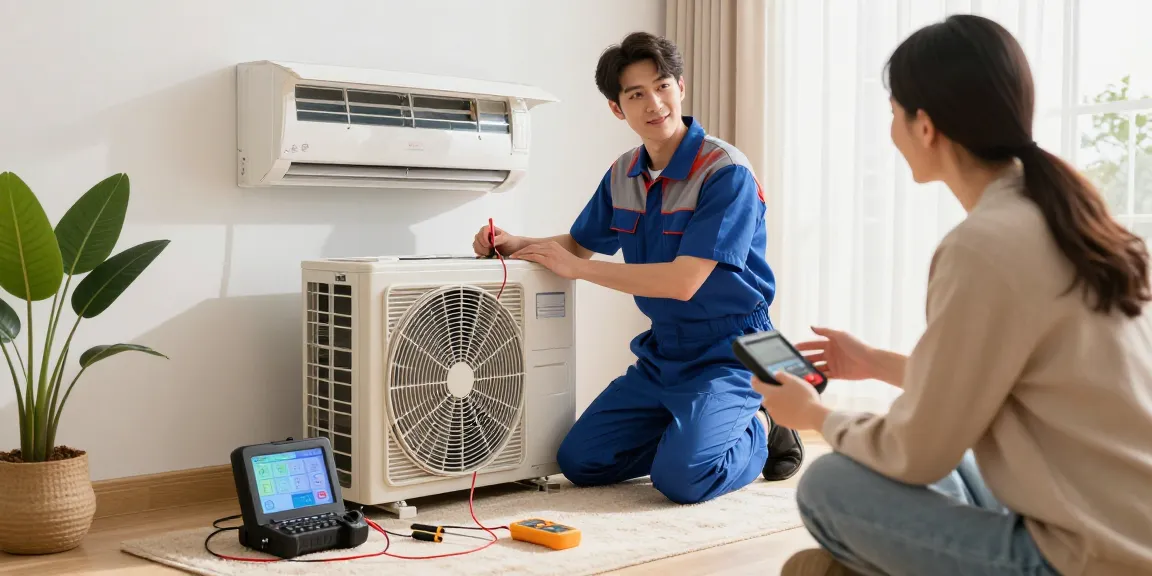
- On-Site Diagnosis: A certified technician will inspect your AC to identify the root cause of the problem.
- Transparent Quote: Before any work begins, you’ll receive a clear, itemized quote for the repairs needed.
- Repair: The technician will execute the needed repairs using genuine parts.
- Testing: After repairs, the system will be tested to ensure it's functioning correctly.
- Warranty: Most repairs come with a warranty, providing peace of mind on the work done.
Tools Needed for Split AC Repair
Having the right tools is essential for effective AC repairs. Common tools include:
- Wrench sets for loosening and tightening fittings.
- Multimeters for testing electrical components.
- Manifold gauges for measuring refrigerant pressure.
- Vacuum pumps to clear air and moisture from the refrigerant lines.
- Insulation tape and screwdrivers for minor repairs.
When to Call a Professional Technician
Determining whether to handle repairs yourself or call in a professional depends on the complexity of the issue. For technical problems such as refrigerant leaks, compressor failures, or electrical malfunctions, it’s advisable to seek a certified technician to ensure safety and optimal repairs.
Maintenance Tips for Split AC Systems
Regular maintenance is key to prolonging the lifespan of your split AC unit and improving its efficiency. Here are essential tips to follow:
Routine Checks to Enhance Longevity
- Check and clean the air filters regularly—ideally once a month.
- Inspect the outdoor unit for debris or obstructions that can hinder airflow.
- Ensure the condensate drain is clear to prevent water buildup.
- Examine wiring and insulation to confirm everything is intact.
Cleaning and Servicing Your Split AC
Engaging in deep cleaning and servicing will help maintain efficiency:
- Schedule professional servicing annually to check refrigerant levels and electrical connections.
- Clean the evaporator and condenser coils to maximize heat exchange efficiency.
- Disinfect the drain line to prevent mold and mildew growth.
Best Practices for Energy Efficiency
To enhance your split AC's energy efficiency:
- Utilize programmable thermostats to optimize cooling based on occupancy.
- Seal cracks and gaps in windows and doors to keep the cool air in.
- Use ceiling fans to help circulate cool air while reducing AC workload.
Cost Considerations and Warranty Information
Understanding repair costs and warranty terms is vital for managing your maintenance budget.
Understanding Repair Costs for Split ACs
Costs for repairing split AC systems can vary widely based on the type of service required. Simple fixes, like replacing a thermostat, can be inexpensive, while major repairs, such as compressor replacement, can be more costly. Always seek an itemized quote before proceeding with repairs.
Warranty Coverage and What to Expect
Most reputable service providers offer warranties on their repairs, often covering parts and labor for a specified time. It's crucial to understand what is and isn't covered under these warranties.
FAQs About Split AC Repair Costs
What are the warranty terms for repairs?
Warranty terms typically last between 30 days to several years, depending on the service provider and the nature of the repair.
How can I maintain my Split AC warranty?
Regular maintenance, timely repairs, and using authorized service providers can help maintain your warranty.
What routine maintenance should I perform?
Cleaning filters, checking for leaks, and scheduling annual inspections are key maintenance tasks.
How long do repairs typically take?
Most repairs can be completed within a few hours, while more complex issues may require a follow-up visit.
When should I consider replacing my unit?
If repair costs exceed 50% of the unit's value or if your AC is older than 10-15 years, consider replacement instead of repair.