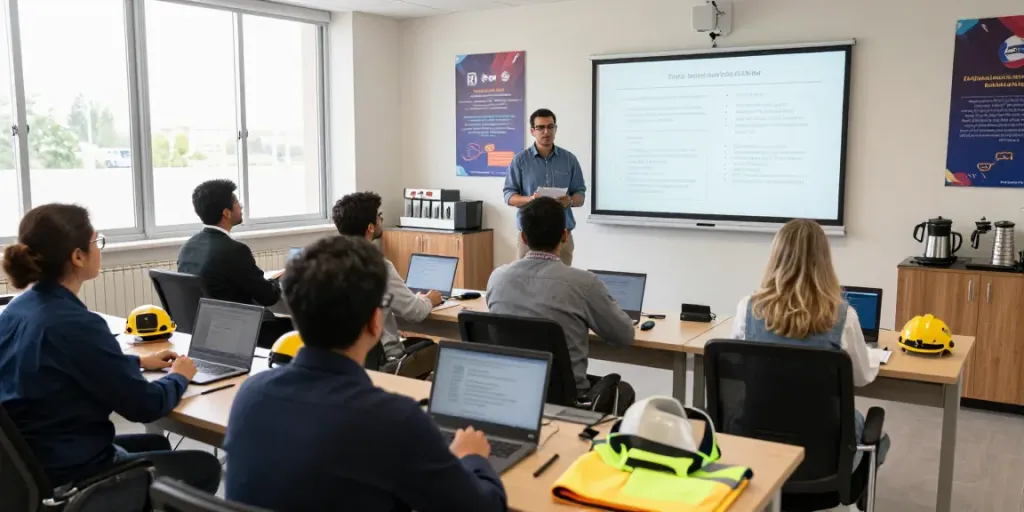
Overview of HSE Training in Saudi Arabia
Health and Safety Environment (HSE) training has become an essential component for organizations in Saudi Arabia looking to enhance workplace safety and compliance with local and international regulations. In a country with a rapidly developing industrial sector, the demand for qualified HSE professionals has surged, leading to the establishment of numerous training institutes. These institutes provide a range of programs that equip individuals with the skills and knowledge necessary to manage health, safety, and environmental risks effectively. When exploring options, Training Institute Saudi Arabia offers comprehensive insights into available courses and certifications.
Importance of Health and Safety Training
The significance of HSE training cannot be overstated, particularly in sectors such as oil and gas, construction, and manufacturing. These industries are often subjected to inherent risks that can lead to severe accidents and health issues. Effective training not only ensures compliance with Saudi regulations but also promotes a culture of safety within organizations. By prioritizing HSE training, organizations can significantly reduce workplace incidents, enhance employee morale, and ultimately improve operational efficiency.
Current Trends in HSE Training
As workplace dynamics evolve, so do the methodologies employed in HSE training. The integration of technology, such as virtual reality (VR) and augmented reality (AR), is becoming increasingly prevalent, allowing for immersive learning experiences that closely mimic real-life scenarios. Furthermore, online training modules have gained popularity, offering flexibility for busy professionals while ensuring that they remain compliant with their training requirements.
Key Certifications Offered
The landscape of HSE certifications in Saudi Arabia is diverse, with institutions offering a variety of internationally recognized credentials. Some of the most sought-after certifications include:
- National Fire Protection Association (NFPA) Certification
- ProQual (UK) Diplomas in Occupational Health and Safety
- NVQ Level 6 Diplomas in Occupational Health and Safety Practice
- IOSH Managing Safely
- ISO Certifications, including ISO 9001:2015 and ISO 45001:2018
Top HSE Credentials and Their Impact
Understanding NFPA Certification
The NFPA certification is highly regarded within the industry, providing professionals with the expertise to manage fire safety risks effectively. This certification demonstrates an individual's commitment to maintaining safety standards and can significantly enhance job prospects in fire prevention and safety roles.
ProQual Diplomas Explained
ProQual diplomas offer a structured framework for those looking to advance their careers in health and safety. The Level 6 Diploma in Occupational Health and Safety Practice is particularly beneficial for professionals seeking to establish themselves as leaders in their field. Similarly, the Level 7 Diploma in Strategic Health and Safety Leadership and Management equips candidates with the necessary skills to influence organizational safety culture at the highest levels.
Value of NVQ Certifications
National Vocational Qualifications (NVQs) provide learners with the ability to demonstrate their competence in practical situations. The NVQ Level 3 Certificate in Occupational Health and Safety is ideal for those entering the field, while the Level 6 diploma is tailored for more experienced professionals aiming for senior roles.
Customized Training Solutions
On-Site Training Advantages
One of the significant benefits of choosing a reputable training institute is the option for on-site training. This approach allows companies to tailor the training programs to their specific needs, ensuring that the content is relevant to their environment and operational challenges. On-site training sessions also minimize downtime, enabling employees to continue their work while receiving training.
Flexible Scheduling for Businesses
Many training providers offer flexible scheduling options, allowing organizations to choose times that work best for their employees. This flexibility is particularly advantageous for industries with varied shift patterns and operational demands.
Tailored Courses for Specific Needs
Custom training programs can address specific hazards or compliance requirements unique to an organization. Training institutes can collaborate with companies to develop courses that focus on their particular risks, practices, and regulatory obligations, resulting in a more effective learning experience.
Challenges Facing Professionals in HSE Fields
Common Misconceptions about HSE Training
There are several misconceptions surrounding HSE training, such as the belief that it is merely a formality or that it is solely the responsibility of the safety officer. In reality, creating a safe workplace requires commitment from all levels of an organization, and effective training programs emphasize this principle.
Obstacles in Gaining Certifications
Obtaining HSE certifications often comes with challenges, including the cost of training, the time commitment required, and the need for ongoing professional development. Organizations may hesitate to invest in training due to budget constraints, but the long-term benefits of investing in employee safety and compliance far outweigh the initial costs.
Addressing Industry-Specific Needs
Some industries have unique hazards that standard training programs may not adequately address. It is crucial for training institutes to offer courses that cater to these specific requirements, ensuring that professionals are well-equipped to handle the challenges presented in their respective fields.
Future of HSE Training: What to Expect in 2026
Emerging Technologies in Training
Looking ahead to 2026, the incorporation of emerging technologies such as artificial intelligence (AI) and machine learning into HSE training programs is expected to revolutionize the way training is delivered. These technologies can personalize learning experiences, adapting to the needs and progress of each learner, thereby improving engagement and retention.
Predictions for Regulatory Changes
The regulatory landscape in Saudi Arabia is continually evolving, with increased scrutiny on health and safety practices. Training institutes will need to stay abreast of these changes and adapt their programs accordingly to ensure compliance and relevance.
Innovations in Learning Methods
We can anticipate the continued shift toward blended learning approaches that combine traditional classroom instruction with online and hands-on training. This hybrid model not only enhances the learning experience but also accommodates varying learning styles.
Frequently Asked Questions
What are the best HSE courses available?
The best HSE courses will depend on your career goals, current qualifications, and industry needs. Popular options include the NFPA certifications, ProQual diplomas, and NVQs, all of which provide industry-recognized credentials.
How valuable are online certifications in Saudi Arabia?
Online certifications are becoming increasingly accepted in Saudi Arabia, particularly as businesses recognize the convenience and flexibility they offer. However, it's essential to ensure that the institution providing the certification is reputable and recognized within the industry.
What does the NFPA certification process involve?
To obtain NFPA certification, applicants typically complete a series of training courses followed by an examination. This process ensures that professionals have the necessary knowledge and skills to effectively manage fire safety in various environments.
How can I ensure my company meets compliance?
Ensuring compliance involves regular training for all employees, staying informed about regulatory changes, and conducting frequent audits of safety practices and procedures. Engaging with a trusted training institute can provide the necessary support and resources.
Are on-site training sessions more effective?
On-site training can often be more effective as it allows for a tailored approach that addresses specific workplace hazards and practices. Moreover, it fosters team collaboration and communication, which are critical for building a strong safety culture.