
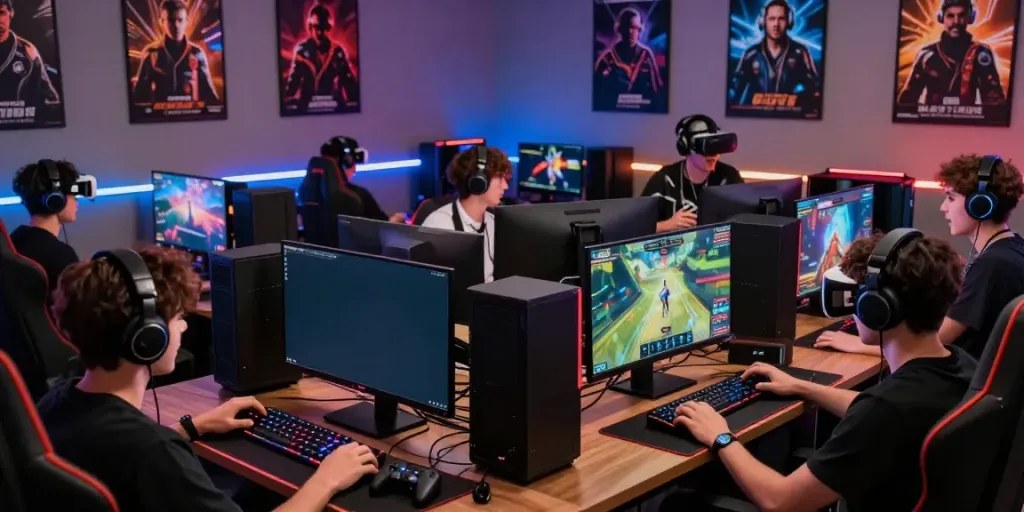
Understanding the Game Online Landscape
The world of online gaming has evolved dramatically over the years, particularly as we approach 2026. Increased internet accessibility, coupled with advancements in technology, have made it easier for gamers to access a vast array of games from anywhere at any time. In this dynamic environment, platforms like game online have become essential for those looking to maximize their gaming experience. As the industry continues to grow, understanding current trends, popular platforms, and technological impacts is crucial for every aspiring gamer.
Overview of Online Gaming Trends in 2026
As we venture into 2026, online gaming is more popular than ever, with a diverse range of genres appealing to various demographics. Trends indicate that mobile gaming will dominate the market, with players seeking immersive experiences that can easily be accessed on handheld devices. Additionally, the rise of virtual reality (VR) and augmented reality (AR) gaming promises to enhance the gaming experience, allowing for more interactive and realistic gameplay.
Key Platforms and Technologies for Game Online
Several major platforms have emerged as leaders in the online gaming industry. These include browser-based games, console gaming, and mobile applications. Technologies like cloud gaming are also on the rise, eliminating the need for high-end hardware and enabling gamers to stream games directly from the cloud. This shift is paving the way for a more inclusive gaming environment, where players with varying budgets can participate.
The Impact of AI on Game Online Strategies
Artificial Intelligence (AI) is influencing game design and user experience in significant ways. From intelligent non-playable characters (NPCs) that adapt to player strategies to AI-driven matchmaking systems that create balanced gameplay, AI is enhancing how players interact with games. Developers are increasingly leveraging AI to analyze player behavior, which in turn helps them create tailored experiences and refine gameplay mechanics.
Choosing the Right Game Online
As the landscape of online gaming expands, selecting the right game can be overwhelming. With so many options available, players must consider their skills, interests, and the gaming community they wish to join. Understanding these factors will enhance their overall gaming experience and lead to more satisfaction and success in their chosen games.
How to Select Games that Match Your Skills
Choosing games that align with your skill set is crucial for enjoying online gaming. Beginners may want to start with accessible genres such as puzzle or card games, while experienced players might prefer action or strategy games that require deeper tactical thinking. Reading game reviews, watching gameplay videos, and participating in forums can also provide valuable insights into which games may suit your skills.
Popular Genres and Their Unique Features
Online gaming encompasses a plethora of genres, each offering unique gameplay experiences. Some of the most popular genres include:
- Action games: Fast-paced and often competitive, these games require quick reflexes and tactical decision-making.
- Role-playing games (RPGs): These allow players to immerse themselves in rich narratives and character development.
- Strategy games: Require players to think critically and plan their moves meticulously.
- Simulation games: Offer realistic experiences, often allowing players to manage resources or simulate real-world activities.
What to Look for in an Online Game Community
A supportive online community is an essential aspect of the gaming experience. Look for games that have active forums, social media presence, and in-game communication tools. Engaging with other players can lead to improved skills, collaborative play, and a more fulfilling gaming experience.
Mastering Game Online Techniques
To progress and excel in online gaming, players must develop and refine various techniques. Mastering these skills can significantly enhance gameplay and lead to greater enjoyment and success.
Effective Strategies for Competitive Play
Competitive play requires a combination of skill, strategy, and adaptability. Players should study their opponents and learn from their tactics while honing their own skills. Regular practice and participation in competitive events can also provide invaluable experience.
Utilizing Game Mechanics to Your Advantage
Understanding the mechanics of the game you’re playing can significantly improve your performance. Familiarize yourself with the rules, character abilities, and in-game economies to make more informed decisions during gameplay. Leveraging these mechanics effectively can give you a competitive edge.
Advanced Tactics in Multiplayer Environments
Multiplayer games often require teamwork and communication. Developing a solid strategy with your teammates and adapting to the flow of the game is vital. Players should practice not only their individual skills but also collaboration to ensure efficient team dynamics.
Optimizing Your Game Online Experience
To get the most out of your online gaming experience, it’s essential to set up your gaming environment both technically and physically. This optimization can lead to improved gameplay and enjoyment.
Setting Up Your Gaming Space for Success
Your gaming space should be comfortable and distraction-free. Ensure you have ergonomic seating, appropriate lighting, and all your gaming peripherals within reach. A well-organized space can enhance focus and improve performance.
Technical Equipment Recommendations for 2026
As technology advances, so do the recommendations for gaming equipment. High-resolution monitors, ergonomic gaming chairs, and responsive input devices (like gaming mice and keyboards) are crucial for a competitive edge. Staying updated on graphics cards and processors also ensures your system can handle the latest games seamlessly.
Ensuring a Stable Internet Connection for Game Online
A reliable internet connection is paramount for an optimal gaming experience. Consider investing in a high-speed connection or utilizing a wired Ethernet connection for stability. Regularly testing your connection speed and latency can help identify any issues before they affect your gameplay.
Future Predictions for Online Gaming
The future of online gaming looks promising, with emerging technologies and evolving player preferences shaping its trajectory. Understanding these potential changes will help players and developers anticipate new trends and innovations.
Emerging Technologies and Their Potential Impact
Technologies like 5G connectivity, VR, AR, and blockchain are expected to revolutionize the gaming landscape. With faster internet speeds, players can expect more immersive experiences and seamless interaction with complex game worlds. Blockchain technology may also introduce new methods for in-game transactions and ownership verification.
What to Expect from Game Online Communities
As the gaming landscape evolves, communities will continue to play a vital role. We can expect enhanced tools for communication and collaboration, making it easier for players to connect regardless of geographic barriers. Online communities might also become more inclusive, promoting diversity and fostering a welcoming environment for all players.
Predicted Trends in Game Online Mechanics
Game mechanics will likely continue to evolve alongside player preferences. Expect to see more adaptive and personalized gaming experiences, where AI tailors challenges based on individual play styles. Additionally, monetization strategies may shift toward more player-friendly systems, reducing the prevalence of pay-to-win models.
What Benefits Will Game Online Players Gain?
As the gaming industry matures, players can expect enhanced experiences, greater accessibility, and more diverse content. Improved technologies will facilitate smoother interactions, while responsive communities will provide support and opportunities for growth.
How Will Game Online Evolve Over the Next Decade?
The next decade promises significant advancements in online gaming. Virtual reality and augmented reality will likely redefine engagement, while AI will create more dynamic and responsive game environments. As technology continues to advance, players can anticipate even more immersive and captivating experiences.