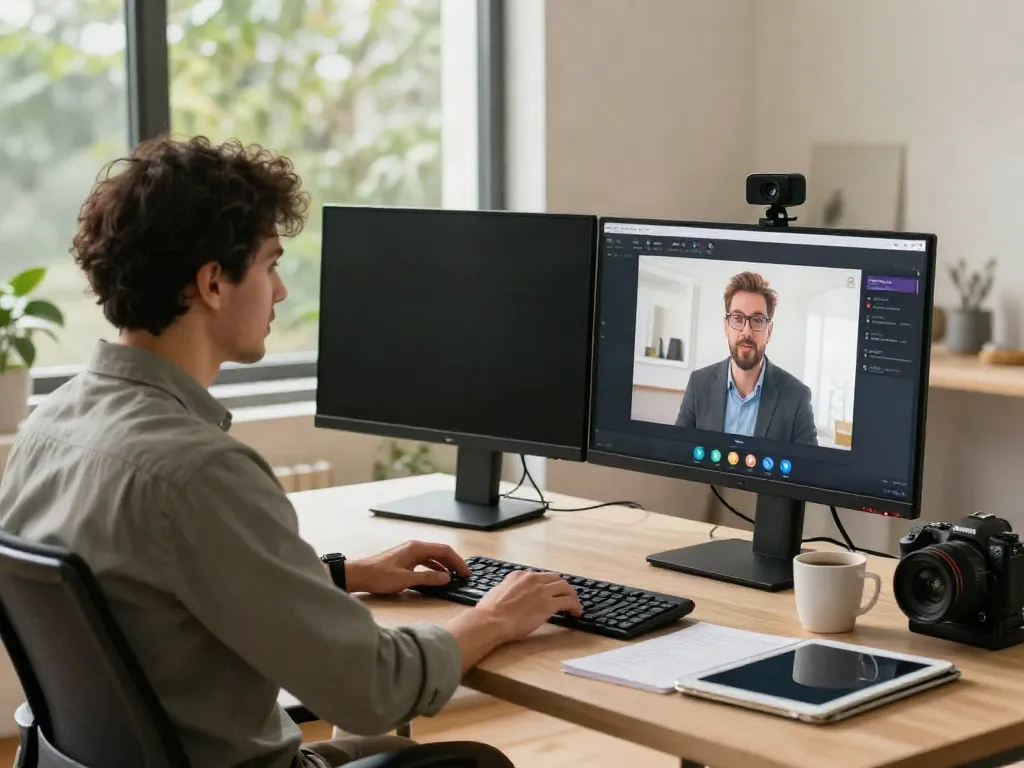
Understanding Deepfake Technology and Its Implications
As our world becomes increasingly digital, the emergence of deepfake technology poses significant challenges, especially in realms such as video conferencing. Deepfakes, which are synthetic media generated by artificial intelligence (AI), can create hyper-realistic but entirely fake videos or audio recordings of individuals. As a result, the integrity and security of virtual meetings are now under threat, raising concerns about identity theft, misinformation, and potential financial fraud. To safeguard your online interactions, understanding the implications of deepfake technology is vital. When exploring options, Deepfake protected Conferencing offers innovative solutions to counter these threats.
What are Deepfakes?
Deepfakes utilize deep learning algorithms, especially Generative Adversarial Networks (GANs), to create realistic audio or video content that can mimic real people. This technology has opened new avenues for content creation but also introduces vulnerabilities across various sectors. In a corporate setting, deepfakes can be weaponized to create deceptive communications that could mislead employees, stakeholders, or clients.
Risks Associated with Deepfake Technology
The risks associated with deepfake technology are multi-faceted, impacting both individuals and organizations. Some of the primary threats include:
- Identity Theft: The potential to impersonate a person in a video call can lead to unauthorized transactions or the dissemination of false information.
- Reputational Damage: A deepfake video could tarnish an organization's image if an executive is portrayed saying something harmful or misleading.
- Financial Fraud: Cybercriminals can exploit deepfake technology to authorize financial transfers by mimicking the voice or video of a CEO or financial officer.
Legal and Ethical Considerations in Conferencing
As deepfake technology rapidly evolves, so too must our legal frameworks. Currently, many jurisdictions are grappling with the implications of deepfakes relative to existing laws surrounding defamation, privacy, and intellectual property. Ethical considerations also arise, particularly in terms of consent and the potential for misuse. Organizations must navigate these complex waters carefully to establish clear guidelines and policies for the use of video conferencing tools.
Implementing Deepfake Protection in Video Conferencing
To mitigate the risks posed by deepfake technology, organizations must adopt proactive measures to secure their virtual meetings effectively. The implementation of deepfake protection strategies can significantly enhance the security of virtual conferencing platforms.
Essential Security Features for Virtual Meetings
Organizations should prioritize the implementation of robust security features in their video conferencing tools, including:
- Real-Time Detection: Integrating AI-driven tools that can analyze video feeds in real-time to identify anomalies indicative of deepfake content.
- Encryption: Ensuring that all communications are encrypted to protect the integrity of the transmission.
- Authentication Protocols: Employing strict authentication measures to verify the identity of participants.
Best Practices for Safe Online Interactions
In addition to technological safeguards, adhering to best practices during online meetings is crucial. These may include:
- Using Secure Networks: Avoid connecting to public Wi-Fi and utilize VPNs for secure access.
- Regular Training: Conducting training sessions for employees on recognizing deepfakes and other cybersecurity threats.
- Verification Steps: Implementing a system for participants to verify each other's identity, such as answering predefined questions or utilizing biometric verification.
Case Studies of Successful Implementations
Several organizations have successfully integrated deepfake protection measures into their video conferencing protocols, resulting in enhanced security and trust among participants. For instance, a financial institution adopted real-time detection algorithms, significantly reducing incidents of impersonation during sensitive discussions. Such proactive approaches not only safeguard data but also restore confidence among staff and clients.
Advanced Strategies for Secure Digital Communication
Moving beyond basic protective measures, organizations can explore advanced strategies that optimize security and foster effective communication.
Utilizing AI for Deepfake Detection
Implementing AI technologies specifically designed for detecting deepfakes is becoming increasingly essential. These tools can analyze facial expressions, voice modulation, and other subtle inconsistencies that human reviewers might miss. By utilizing a proactive approach to detect unauthorized content, organizations can mitigate risks before they escalate.
Integrating Multi-Factor Authentication for Added Security
Multi-factor authentication (MFA) is a critical component in securing video meetings. By requiring participants to provide multiple forms of identification—such as a password followed by a biometric scan—organizations can significantly reduce the likelihood of unauthorized access or impersonation during meetings.
Creating Culturally Inclusive Meeting Environments
In a globalized work environment, it’s essential to foster inclusivity in digital communications. Organizations should accommodate diverse cultural backgrounds by providing resources in multiple languages and recognition of different time zones. This approach not only enhances participation but also increases trust among team members. Ensuring cultural sensitivity reduces the potential for deepfakes to exploit misunderstandings or miscommunications.
Measuring the Effectiveness of Deepfake Protection Techniques
To ensure that deepfake protection measures remain effective, organizations must continuously evaluate their strategies.
Key Performance Indicators (KPIs) for Security Measures
Establishing clear KPIs can help organizations assess the effectiveness of their deepfake protection strategies. These might include:
- Number of Security Incidents: Tracking incidents of impersonation or fraudulent activity linked to deepfakes.
- User Satisfaction Rates: Gathering feedback on the perceived security of online meetings.
- Incident Response Times: Measuring the efficiency of response mechanisms when a potential deepfake is detected.
Analyzing User Feedback and Engagement
Regularly soliciting and analyzing feedback from users can provide valuable insights into potential vulnerabilities and areas for improvement in deepfake protection measures. This iterative process enables organizations to adapt their strategies in real time, ensuring ongoing resilience against deepfake threats.
Adapting Strategies Based on Emerging Threats
The landscape of digital communication is in a constant state of flux, particularly with advancements in AI and deepfake technology. Organizations must remain agile, ready to adapt their protection strategies based on new threats or vulnerabilities that arise. Keeping abreast of the latest trends in cybersecurity is crucial for maintaining effective defenses.
Future Trends in Deepfake Technology and Conferencing
As we gaze into the near future, it is essential to anticipate the evolving nature of deepfake technology and its implications for video conferencing.
Evolving Legal Frameworks in 2026 and Beyond
Legal frameworks surrounding deepfake technology will likely evolve to address the unique challenges posed by synthetic media. By 2026, we can expect more robust regulations governing the use of deepfakes, particularly in sensitive sectors like finance, healthcare, and politics. Organizations must stay informed about these changes to ensure compliance and ethical use of technology.
Predictions for Deepfake Attacks on Digital Meetings
Experts predict that as deepfake technology becomes more accessible, the frequency and sophistication of deepfake attacks will increase. Organizations should prepare by enhancing their security protocols and educating employees on recognizing and responding to potential threats.
Innovations in Technology for Enhanced Security
In response to these challenges, innovations in security technology will likely emerge, providing organizations with new tools to combat deepfake threats. Solutions such as blockchain verification, enhanced AI detection capabilities, and biometric security measures will take center stage in securing video conferencing platforms. These innovations will fundamentally shift how organizations conduct secure communications.
What are Deepfake protected Conferencing technologies?
Deepfake protected Conferencing technologies encompass a range of solutions designed to detect and mitigate the risks of deepfake content during virtual meetings. These technologies involve real-time analysis, participant authentication, and advanced AI detection systems tailored to identify and flag potentially fraudulent media.
How can organizations implement deepfake protection?
Organizations can implement deepfake protection by integrating advanced detection technologies into their existing video conferencing platforms, training employees on security best practices, and enforcing strong authentication measures. These steps create a layered defense against the risks posed by deepfake technology.
What legal measures exist against deepfake usage?
Legal measures against deepfake usage vary by jurisdiction but may include legislation that prohibits the malicious use of synthetic media, enforcement of existing identity theft and fraud laws, and new regulations that require disclaimers on AI-generated content. Organizations must stay informed about these developments to navigate the legal landscape effectively.
How does deepfake technology impact video conferencing?
The impact of deepfake technology on video conferencing includes increased risks regarding trust, privacy, and security. As deepfakes become more sophisticated, the potential for their use in impersonation and misinformation grows, prompting organizations to adopt robust protective measures.
What tools are available for detecting deepfakes?
Numerous tools for detecting deepfakes are available, ranging from AI-driven video analysis software to browser plugins designed to flag potentially manipulated media. Organizations are encouraged to explore and implement these tools to bolster their defenses against deepfake threats.