Understanding Leak Repair Basics
Leak repair is an essential aspect of maintaining your home's plumbing system. In Fort Worth, where fluctuating temperatures can lead to plumbing issues, understanding the basics of leak repair can save homeowners from significant damage and costs. Whether you're dealing with a minor drip or a more substantial leak, being informed about the causes and signs can help you act quickly and efficiently. This understanding is crucial as the longer you wait to address plumbing issues, the more complicated and costly they can become. For specialized assistance, leak repair Fort Worth services are readily available to ensure your home remains safe and dry.
What Causes Leaks in Fort Worth Homes?
Leaks can stem from various sources, and identifying the root cause is the first step toward effective repair. Common causes of leaks in Fort Worth homes include:
- Aging Pipes: Over time, pipes can corrode and develop leaks due to wear and tear.
- Temperature Changes: Texas weather can swing dramatically, causing pipes to expand and contract, which may lead to fractures.
- Tree Roots: Roots can infiltrate sewer lines causing blockages and leaks in the lines.
- Improper Installation: Pipes that weren't installed correctly may develop leaks sooner than expected.
Signs Your Home Needs Leak Repair
Homeowners should be vigilant about the signs of leaks. Here are some indicators that you might need professional leak repair:
- Unexplained increases in your water bill
- The presence of water stains on walls or ceilings
- Mold or mildew growth
- Sound of running water when no faucets are on
Types of Leak Repairs and Their Importance
There are several types of leak repairs, each designed for specific issues:
- Pipe Replacement: When pipes are beyond repair, replacement is necessary to prevent further damage.
- Sealant Applications: For small leaks, applying a sealant may provide a temporary solution.
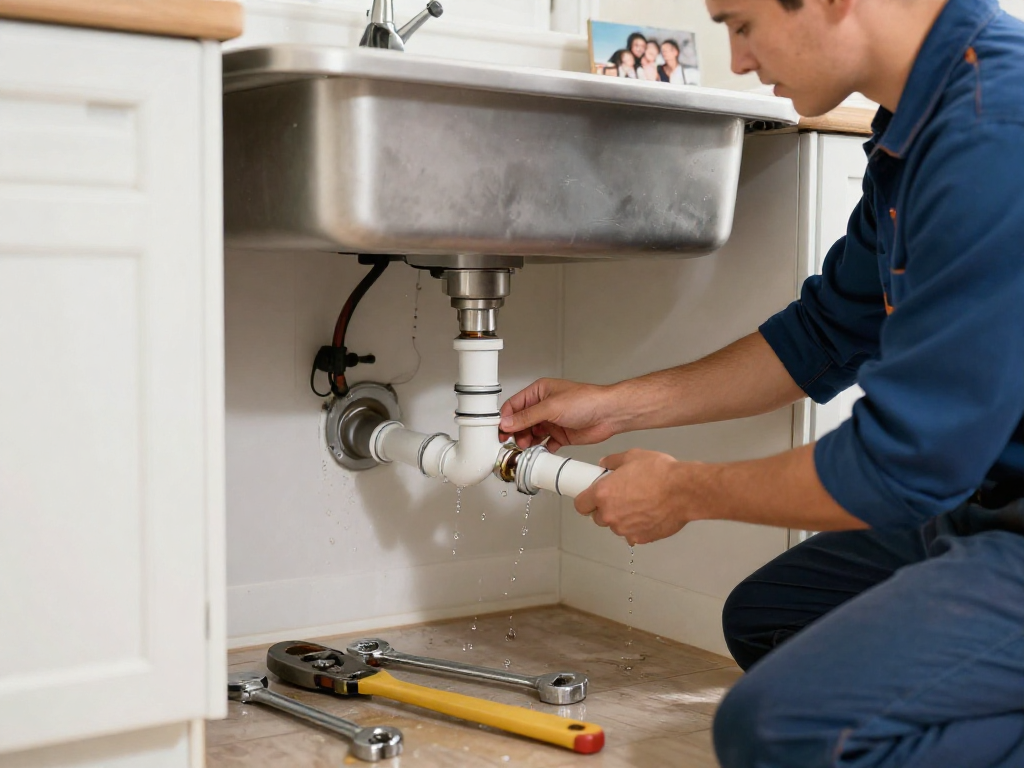
- Joint Repair: Over time, the joints between pipes can wear out and require professional attention to ensure proper sealing.
Understanding these types is vital for homeowners to make informed decisions about their plumbing maintenance.
Emergency Leak Repair Services
Leaks can happen at any time, often requiring immediate attention to prevent significant damage. Knowing when to call for emergency services can make all the difference in protecting your property.
How to Identify Plumbing Emergencies
Not every leak is an emergency, but certain signs indicate urgent action is required:
- Massive water flow from broken pipes
- Overflowing toilets or sinks
- Inability to shut off a water source
Choosing the Right Emergency Plumbing Service
When faced with a plumbing emergency, selecting a reliable service is crucial. Look for:
- 24/7 availability
- Local service providers for quicker response times
- Licensed and insured professionals
It's advisable to keep a list of trusted local plumbers readily available for emergencies.
Immediate Actions to Take When a Leak Occurs
In the event of a leak, swift action can mitigate damage:
- Shut off the main water supply to prevent additional flooding.
- Assess the situation; identify the source if possible.
- Call for professional help, especially if it's beyond your expertise.
- Document the damage for insurance purposes.
Professional vs. DIY Leak Repair
Homeowners often face the decision of whether to tackle a leak themselves or call in professionals. Understanding the benefits and limitations of each can guide this choice.
When to Call a Professional Plumber
While some minor leaks can be managed with DIY methods, certain scenarios warrant professional intervention:
- If the leak is extensive or poses a risk of water damage.
- If you are unsure of the cause of the leak.
- If the plumbing system is complex, such as those involving gas lines.
DIY Leak Repair Techniques for Homeowners
For those who wish to attempt a DIY repair, here are some techniques:
- Pipe Wraps: Use silicone tape to wrap around small leaks temporarily.
- Epoxy Putty: This can be applied to cracks in pipes as a short-term fix.
- Adjusting Fittings: If the leak is at a joint, attempt to tighten fittings as a first step.
Tools You Need for Effective Leak Repair
Equipping yourself with the right tools can make DIY repairs more manageable:
- Pipe wrench
- Adjustable pliers
- Sealants and epoxy putty
- Bucket or container for catching water
Cost of Leak Repair Services in Fort Worth
Understanding the financial aspect of leak repair can help homeowners make informed choices about their plumbing needs.
Factors That Influence Leak Repair Costs
Several factors can affect the total cost of leak repairs:
- Type and extent of the leak
- Location of the pipe within the house
- Required materials for the repair
Understanding Clear Up-Front Pricing
Reputable plumbing services will provide clear, up-front pricing to avoid surprise costs. This includes:
- Base fees for diagnostic services
- Estimated costs for the prescribed repairs
- Transparency regarding potential additional charges
Budgeting for Plumbing Repairs
Homeowners should allocate a portion of their annual budget for unexpected plumbing repairs. Setting aside funds can provide peace of mind when emergency leaks arise.
Future Trends in Plumbing and Leak Repair
As we move towards 2026, the plumbing industry is evolving with new technologies and practices that enhance efficiency and sustainability.
Innovations in Plumbing Technology for 2026
Expect advancements such as:
- Smart Leak Detectors: Devices that alert homeowners to leaks in real time via smartphone.
- AI-Powered Diagnostics: Tools that use AI to diagnose plumbing issues quickly.
Sustainability Practices in Plumbing
With increased awareness of environmental issues, sustainable plumbing practices are on the rise. Techniques include:
- Use of eco-friendly materials in plumbing fixtures
- Water recycling systems for home usage
How to Prepare for Future Plumbing Needs
Future-proofing your home’s plumbing involves regular inspections and staying informed about emerging technologies. This brings peace of mind while reducing future costs and inconveniences.
What Are the Signs of a Leak?
Being able to recognize the signs of a leak is essential for quick action:
- Water pooling around appliances or fixtures
- Unusual increases in water usage
- Warm spots on floors or walls, indicating water accumulation
How Often Should I Inspect My Plumbing?
Regular inspections are recommended, at least once a year, to catch minor issues before they escalate into major problems.
What Should I Do If I Find a Leak?
If you discover a leak, immediately shut off the water supply and assess the situation. Depending on the severity, you may attempt a DIY fix or call a professional.
Can I Repair My Own Pipes?
Minor leaks can often be repaired by homeowners, but complex issues should be handled by licensed professionals to ensure code compliance and safety.
How Can I Prevent Leaks in My Home?
Preventative measures include:
- Regular maintenance checks of plumbing systems
- Insulating pipes during winter months
- Monitoring water pressure to prevent excessive strain on pipes