Understanding Event Rental Services in Saudi Arabia
Saudi Arabia's event rental industry is rapidly evolving, showcasing a unique blend of traditional hospitality and modern event management practices. The growth of this sector is fueled by an increasing number of corporate, social, and cultural events across major cities such as Riyadh, Jeddah, and Dammam. This article delves into the dynamic landscape of event rental ksa, focusing on market trends, the significance of quality in rentals, and various types of events that leverage these services.
Overview of Event Rental KSA Market Trends
The event rental market in Saudi Arabia has seen substantial growth in recent years, driven by several key factors:
- Economic Development: The Vision 2030 initiative has led to increased investment in infrastructure, creating a surge in weddings, corporate gatherings, and public festivals.
- Corporate Events: With many international companies establishing bases in Saudi Arabia, there is a rising demand for professional event rentals to manage corporate functions and client engagements.
- Social Gatherings: Traditional celebrations such as weddings and cultural festivals are becoming more elaborate, necessitating advanced rental solutions.
The Importance of Quality and Reliability in Rentals
When it comes to event rentals, quality and reliability are paramount. Clients expect high standards both in the condition of rental items and in the professionalism of service providers. Here’s how quality impacts events:
- Brand Image: For corporate events, high-quality rentals enhance the overall image, reflecting positively on the brand.
- Guest Experience: Comfortable, well-maintained furniture and reliable AV equipment ensure an enjoyable experience for guests, which is crucial for event success.
- Safety and Compliance: Utilizing reputable rental suppliers who adhere to safety standards protects the client from liabilities.
Key Types of Events Utilizing Rental Services
Event rental services cater to a diverse range of occasions. Some of the most common types include:
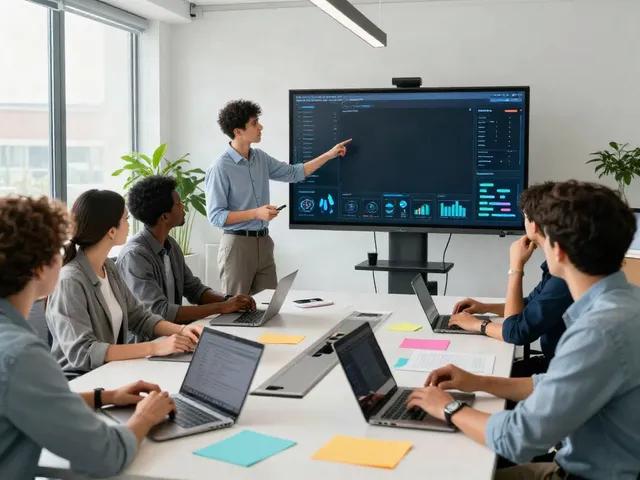
- Corporate Events: Conferences, product launches, and team-building activities that require specialized equipment and professional planning.
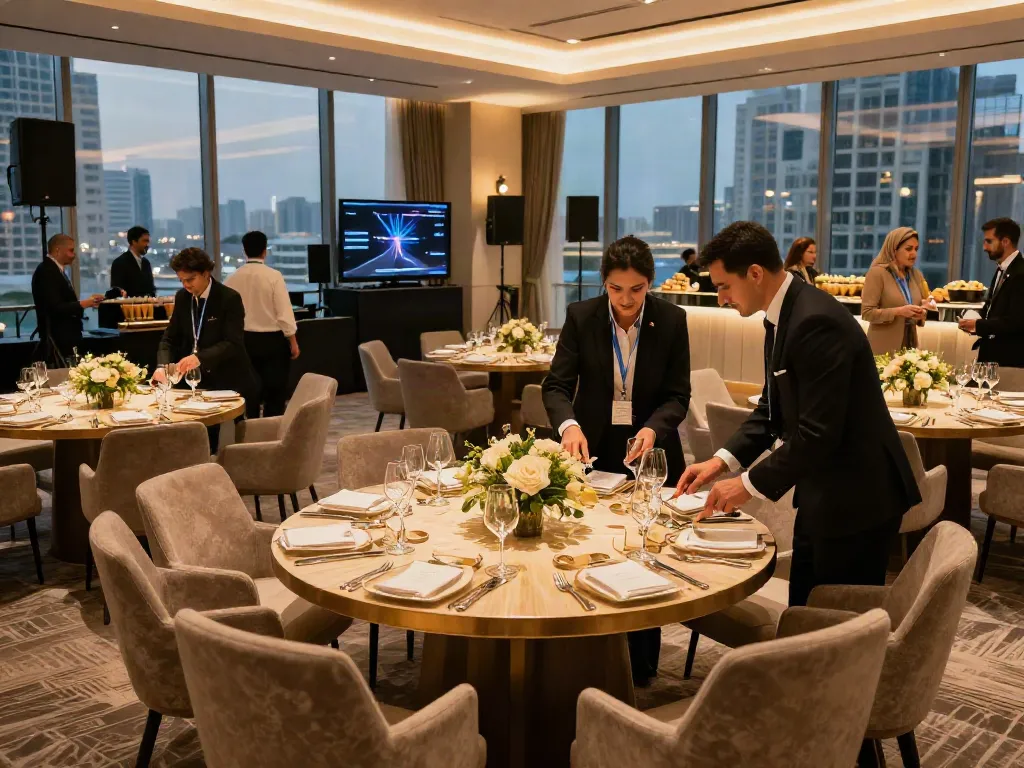
- Weddings: Couples often rent everything from tents and furniture to lighting and décor to create their dream wedding.
- Cultural Festivals: Large public events that require sizable logistics support, such as stages, seating, and technical equipment.
Choosing the Right Equipment and Services
Evaluating Event Needs and Requirements
Successful event planning begins with a thorough evaluation of the specific requirements. Here are steps to guide the process:
- Define the Event Type: Understand whether the event is corporate, social, or cultural, as each has distinct demands.
- Assess the Venue: The size and layout of the venue will dictate the types of furniture and AV equipment needed.
- Set a Budget: Establishing a budget early on helps narrow down options and avoid overspending.
Understanding Different Types of AV Equipment
Audio-Visual (AV) equipment is a cornerstone of many events. Here's a breakdown of essential AV components:
- Sound Systems: Quality sound systems are vital for speeches and performances. Options range from portable setups for small gatherings to comprehensive systems for larger events.
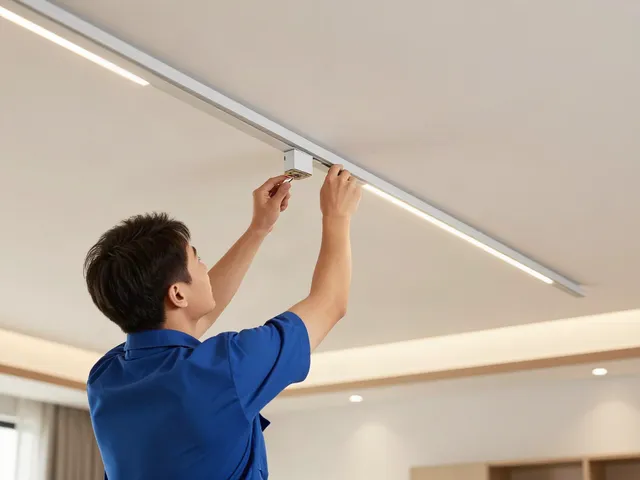
- Lighting: Effective lighting can transform an atmosphere—from mood lighting to dramatic stage effects.
- Visual Displays: LED screens and projectors are crucial for presentations and entertainment, ensuring clarity and engagement.
Furniture and Decor That Elevate Events
The aesthetic of any event is largely influenced by furniture and décor. Consider these elements:
- Seating Arrangements: From formal seating to casual lounge areas, the seating should align with the event’s theme.
- Thematic Decor: Customizable décor options, including centerpieces and backdrop designs, can enhance the overall experience.
- Spatial Planning: Ensure that the flow of the event space accommodates easy movement and interaction among guests.
Best Practices for Event Planning
Coordinating Logistics and Timelines Efficiently
Effective event planning hinges on meticulous coordination. Here are best practices:
- Create a Detailed Timeline: Establishing a timeline ensures all tasks are completed on schedule.
- Communicate with Vendors: Regular communication with rental suppliers, catering services, and venue management is essential for smooth operations.
- Plan for Contingencies: Always have backup plans for various scenarios, such as equipment failures or weather changes.
Common Challenges in Event Execution
While planning is crucial, execution can present unforeseen challenges. Professional event planners should be prepared for:
- Budget Overruns: Unexpected expenses can arise, so a flexible budget can safeguard against this.
- Logistical Hiccups: Arrangements may not go as planned; hence, having a dedicated team to manage on-site logistics is important.
- Guest Management: Ensuring all guests are accounted for and comfortable can be daunting but is critical for success.
How to Ensure Client Satisfaction and Success
Client satisfaction is the ultimate goal of any event. To achieve this:
- Gather Feedback: Post-event surveys can provide insights into what worked and what didn't.
- Deliver on Promises: Meeting or exceeding expectations in service delivery fosters long-term relationships.
- Follow-Up: A follow-up communication can help assess overall satisfaction and address any lingering concerns.
Innovations in the Event Rental Industry
Emerging Technologies and Their Impact
Technology is reshaping the event rental landscape. Key innovations include:
- Virtual and Hybrid Events: As digital integration increases, rental companies are required to provide technology that facilitates remote participation.
- Event Planning Software: Tools that allow planners to manage logistics, track budgets, and collaborate with teams have become indispensable.
- Interactive Experiences: Offering immersive experiences, such as VR and AR, is increasingly popular for engaging guests.
Trends to Watch for in 2026
Looking ahead to 2026, several trends are expected to shape the event rental industry:
- Sustainability: Eco-friendly options will become more prevalent as clients seek greener solutions.
- Personalization: Customized rental packages that cater to individual client preferences are likely to rise.
- Smart Equipment: The implementation of IoT in rental equipment for smart monitoring and management will enhance operational efficiency.
Sustainable Practices in Event Rentals
As businesses become more environmentally conscious, embracing sustainability is crucial. Consider these practices:
- Eco-Friendly Materials: Using biodegradable or recycled materials for event furnishings and décor.
- Energy-Efficient Equipment: Opting for energy-efficient lighting and audio equipment can significantly reduce the carbon footprint of an event.
- Waste Management: Implementing a waste reduction strategy during events helps minimize the environmental impact.
Case Studies and Success Stories
Highlighting Notable Events in KSA
Saudi Arabia has hosted numerous high-profile events. Noteworthy examples include:
- The Riyadh Season: A series of entertainment events that required extensive logistics and rental services, successfully showcasing KSA's culture.
- Corporate Conferences: Major corporations have utilized rental services for impactful conferences, featuring cutting-edge AV setups and themed décor.
- Weddings in Jeddah: Lavish weddings have used bespoke rental services to create stunning atmospheres tailored to the couple's vision.
Lessons Learned from Large-Scale Events
Large-scale events can provide invaluable lessons for future planning:
- Importance of Communication: Effective coordination with vendors and stakeholders is key to ensuring all elements align seamlessly.
- Flexibility is Key: Being adaptable to changes can minimize disruptions during the event.
- Utilize Technology: Technology can enhance efficiency in managing logistics and engaging guests at large events.
Client Testimonials and Feedback
Feedback from clients offers insights into the effectiveness of rental services. Positive reviews often highlight:
- Professionalism: Clients appreciate when rental companies exhibit professionalism and reliability.
- Quality of Products: High-quality rental items enhance the overall guest experience and event success.
- Attention to Detail: A meticulous approach to planning and execution is frequently commended by clients.
What kind of events are popular in KSA?
Popular events in KSA include corporate gatherings, weddings, cultural festivals, and sporting events, each requiring tailored rental solutions to ensure success.
What is the average salary for an event planner in Saudi Arabia?
The average salary for an event planner in Saudi Arabia varies but typically ranges from SAR 70,000 to SAR 120,000, with experience and the scale of events influencing earnings.
What events are happening in Saudi Arabia in 2026?
Numerous cultural, corporate, and entertainment events are scheduled for 2026, reflecting the ongoing initiatives under Vision 2030 aimed at fostering tourism and cultural engagement.
What are the key considerations for renting furniture in KSA?
Key considerations include understanding the event theme, assessing the venue capacity, ensuring quality and comfort, and working within a defined budget to select the right pieces.
How can I find reliable event rental services in Saudi Arabia?
Researching reputable companies, reading client testimonials, and asking for recommendations from industry peers will help in finding reliable event rental services in Saudi Arabia.