Understanding Turnkey PCBA Solutions
In an age where electronics are ubiquitous, the demand for efficient and reliable circuit board solutions has never been more critical. The concept of turnkey PCBA (Printed Circuit Board Assembly) has emerged as a game-changing approach for manufacturers and OEMs, facilitating a seamless transition from design to production. This article delves deep into the world of turnkey PCBA services, exploring what they entail, their key components, and the advantages they bring to various industries.
What Is Turnkey PCBA?
Turnkey PCBA refers to a comprehensive service that handles every aspect of PCB production, from sourcing components to manufacturing, assembly, testing, and even delivering the final product. This service model simplifies the manufacturing process by allowing businesses to engage a single supplier for all their PCB needs, resulting in reduced lead times and improved efficiency. Companies can significantly increase their operational effectiveness by minimizing the complexity of managing multiple vendors.
Key Components of Turnkey Solutions
A typical turnkey PCBA solution encompasses several vital components:
- Component Sourcing: The supplier manages the procurement of all necessary components, ensuring quality and compatibility.
- PCB Fabrication: This includes the printing and etching of the circuit boards, adhering to specific design requirements.
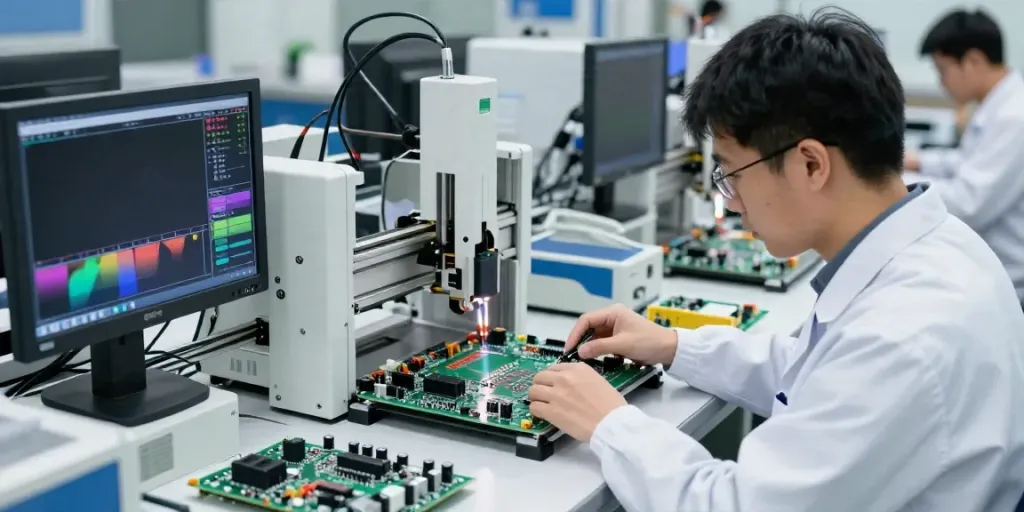
- Assembly: Components are soldered onto the PCBs, which can be done using various techniques like Surface Mount Technology (SMT) or Through-Hole Technology.
- Testing and Quality Control: This step involves rigorous testing to confirm that the PCB meets quality standards and functions as intended.
- Final Delivery: The completed product is shipped to the customer, ready for immediate implementation.
Benefits of Using Turnkey PCBA Services
Opting for turnkey PCBA services can yield numerous benefits, including:
- Time Efficiency: Engaging one provider streamlines processes, drastically reducing the time from concept to market.
- Cost-Effectiveness: Consolidating services can lower costs associated with logistics, vendor management, and bulk purchasing.
- Quality Assurance: A single supplier ensures consistent quality and accountability throughout the production process.
- Increased Focus: By outsourcing assembly and manufacturing, companies can concentrate on product development and innovation rather than operational logistics.
Industry Applications of Turnkey PCBA
Turnkey PCBA solutions are utilized across various sectors, reflecting the versatility of the service. Each industry has unique requirements, and turnkey solutions offer distinct advantages in addressing these needs.
Consumer Electronics and Gadgets
In the rapidly evolving consumer electronics sector, companies often face immense pressure to innovate while reducing time to market. Turnkey PCBA services empower manufacturers to bring new products to consumers faster and at lower costs, allowing them to stay competitive in a crowded marketplace. By using turnkey solutions, businesses can efficiently develop complex gadgets that integrate the latest technologies.
Automotive Sector Innovations
The automotive industry is increasingly incorporating advanced electronics, from infotainment systems to autonomous driving technology. Turnkey PCBA allows automotive manufacturers to ensure that their electronic components are reliable and meet stringent safety standards. With the shift toward electric vehicles and smart technology, having a dependable PCB assembly partner is more crucial than ever for maintaining industry standards.
Healthcare Equipment Development
Healthcare technology demands the highest reliability, precision, and compliance with regulatory standards. Turnkey PCBA services provide medical device manufacturers with a streamlined approach to developing complex systems that are vital for diagnostics, monitoring, and treatment. These solutions help ensure that devices are safe, effective, and ready for immediate use upon delivery.
Challenges in the Turnkey PCBA Process
Despite the numerous benefits, several challenges can occur during the turnkey PCBA process, which companies must navigate to achieve success.
Common Obstacles in Assembly Line Operations
Production line inefficiencies can arise from unforeseen variables such as supply chain disruptions, equipment failures, or delays in component availability. These issues can cause significant setbacks in project timelines. It's essential for companies to establish strong relationships with their suppliers and to have contingency plans to mitigate these risks effectively.
Quality Control Issues and Solutions
Quality control is a critical aspect of the PCB assembly process, and any lapses can lead to costly recalls and reputational damage. Implementing stringent quality assurance protocols and continuous monitoring throughout the production phase can help address these issues. Utilizing advanced testing methods and engaging in proactive communication with suppliers can also enhance overall product quality.
Cost Management Strategies
While turnkey PCBA services can lead to cost savings, companies must remain vigilant about managing expenses effectively. This requires a keen understanding of market fluctuations, labor costs, and component pricing. Establishing long-term contracts with suppliers can also provide more predictable pricing structures and help mitigate unexpected costs.
Best Practices for Selecting a Turnkey PCBA Provider
Choosing the right turnkey PCBA provider is crucial for success. Here are some best practices to follow:
Criteria for Evaluating Suppliers
When assessing potential suppliers, consider factors such as their experience, reputation in the industry, and the range of services offered. It's also beneficial to seek out providers with a proven track record in your specific industry, as they will be more familiar with the unique challenges and requirements you face.
Understanding Supply Chain Dynamics
A comprehensive understanding of supply chain dynamics is essential for selecting a reliable turnkey PCBA partner. Analyze how potential suppliers manage their supply chains, including their sourcing strategies and risk management frameworks. This insight into their operations can inform your decision-making process.
Significance of Certifications and Standards
Certifications such as ISO 9001, IPC-A-610, and RoHS compliance can serve as indicators of a supplier's commitment to quality and industry standards. Ensure that any potential partner adheres to relevant certifications, as this can significantly reduce risks associated with quality and regulatory compliance.
The Future of Turnkey PCBA in 2026 and Beyond
As technology continues to evolve, so too will the landscape of turnkey PCBA services. Keeping abreast of emerging trends will be vital for companies looking to leverage these solutions effectively.
Emerging Technologies in Electronics Manufacturing
Advancements such as AI-driven automation, IoT integration, and 3D printing are set to revolutionize the PCBA process. These technologies can enhance production efficiency, improve quality control, and facilitate the creation of more complex designs. Companies adopting these innovations early will likely see significant competitive advantages.
Market Trends and Predictions
As the demand for electronic devices grows, so does the emphasis on sustainability and eco-friendly practices. The market is expected to shift toward more sustainable materials and processes, prompting turnkey PCBA providers to adapt their offerings accordingly. Companies that prioritize sustainability will not only meet regulatory demands but are also likely to appeal to environmentally conscious consumers.
Preparing for Evolving Consumer Needs
Consumer preferences are constantly changing, driven by technological advancements and market trends. Turnkey PCBA providers must remain flexible and responsive to these shifts, ensuring they can accommodate new demands as they arise. Engaging in regular market research and consumer feedback can help companies anticipate these changes.
How Does Turnkey PCBA Enhance Product Development?
Turnkey PCBA streamlines the product development cycle, allowing for faster prototyping and iteration. With a single source for the entire process, teams can focus on refining their designs rather than managing multiple vendors, thereby enhancing overall innovation.
What Are the Environmental Considerations?
As industries move toward eco-friendliness, turnkey PCBA solutions must address environmental concerns. This includes utilizing sustainable materials, reducing waste, and ensuring proper end-of-life disposal for electronic products. Companies embracing these practices will not only comply with regulations but also attract a broader customer base.
Is Turnkey PCBA Right for Different Business Sizes?
Turnkey PCBA services can benefit businesses of all sizes, from startups to large enterprises. For smaller companies, these services can reduce overhead and allow them to compete in the market. Larger businesses can leverage turnkey solutions to enhance their supply chain efficiency and focus on innovation rather than logistics.